Big Red Barn Chicken Brooder Reviewed: Worth the Mid-Range Price

Affiliate disclosure: Some links on this page are affiliate links. If you buy through them we earn a small commission at no extra cost to you. Recommendations are research-driven; we don't claim personal use of every product reviewed. Product prices and availability are accurate as of the date published and are subject to change. Always check Amazon for current pricing before purchasing. Learn more.
Big Red Barn design offers distinctive visual appeal for backyard setups
See RentACoop Big Red Barn Chick Brooder on AmazonRaising chicks through those first fragile weeks is harder than most new keepers expect, and the brooder makes a bigger difference than almost any other piece of equipment. The RentACoop Big Red Barn Chick Brooder has been circulating in backyard flock communities as a recognizable option in the mid-range brooder category. For a full picture of what separates a solid brooder from a frustrating one, the Chicken Brooder guide covers the category from first principles.
This review looks at the Big Red Barn brooder lineup alongside a smaller companion option from the same brand. The goal is straightforward: spec data and owner consensus, clearly laid out, so the buying decision is easier.
Overview & Key Specs
The RentACoop Big Red Barn brooder is a purpose-built enclosed brooder designed for backyard flock keepers raising chicks from hatch through early weeks. RentACoop as a brand focuses specifically on brooder equipment, which shows in the product line’s consistency. Two Big Red Barn variants are available — the standalone brooder and the set that includes a heating plate — plus the smaller Little Red Barn option for smaller flocks or tighter spaces.
| Spec | RentACoop Big Red Barn Brooder Set |
|---|---|
| Design style | Enclosed barn-shaped brooder |
| Heating source | Heating plate (included in set version) |
| Size category | Large (full-size barn footprint) |
| Target flock size | Small to medium backyard flocks |
| Price band | Mid-range |
| Brand specialty | Brooder-focused manufacturer |
| Companion option | Little Red Barn (smaller variant) |
What Stands Out (from spec analysis and owner consensus)
The barn design is more than aesthetic. Enclosed brooder designs maintain heat more consistently than open-top alternatives, and the Big Red Barn’s housing structure contributes to that stability. Owner threads on backyard flock forums note that chicks in enclosed brooders spend less time huddling, which is the clearest behavioral signal that ambient temperature is holding steady.
RentACoop’s category focus is worth noting. Brands that specialize in one product type tend to iterate differently than general farm supply manufacturers who carry brooders alongside dozens of other categories. The Big Red Barn line shows that specificity — the set version includes the heating plate as a bundled component rather than selling a bare enclosure and leaving buyers to source heat separately.
The heating plate format itself is a genuine functional advantage. Radiant heat plates have become the owner-consensus preference over heat lamps in the past several years, for a straightforward reason: they mimic the contact warmth of a broody hen rather than bathing the entire space in overhead heat. Chicks can choose how close they get to the plate, which supports more natural thermoregulation. Owner reports consistently favor this format for chick behavior and, importantly, for fire safety compared to heat lamp setups.
The visual design — the red barn aesthetic — is a practical consideration for keepers who keep the brooder in visible parts of their property or involve children in the brooding process. It is not the spec that matters most, but owner reports note it consistently as a differentiator from industrial-looking alternatives.
Where It Falls Short
The primary documented limitation is footprint. The Big Red Barn, by design, takes up substantial floor space. Owner reports from keepers in apartments, small garages, or already-crowded coops flag this plainly: the brooder requires a dedicated area, and that is not always available. The Little Red Barn variant addresses this to a degree, but it is a different product with a smaller capacity.
The heating plate’s fixed size creates a secondary constraint. As chicks grow and the flock’s heating needs shift, a fixed-capacity plate cannot be adjusted. Keepers planning to expand flock sizes significantly over successive hatching seasons may find the setup limiting before the brooder housing itself becomes inadequate.
For buyers considering a rental arrangement versus purchase, the economics shift depending on how frequently they brood. For keepers who hatch once a year or less, the math can favor purchasing outright over repeated rental commitments. That is a situation-specific calculation, but it is worth doing before committing to a rental model.
The range of brooder options available is wider than this single brand, and the chick brooder hub covers the full landscape for keepers who want comparison context before deciding.
Who It’s For
The Big Red Barn brooder set is the right choice for first-time chick keepers who want a complete, ready-to-use setup without sourcing components separately. The bundled heating plate removes one of the most consequential buying decisions for newcomers — what heat source to use — and the enclosed design handles temperature consistency better than open-top alternatives at this price tier.
It is also a reasonable fit for keepers who brood in visible or shared spaces and care about the setup’s appearance. The barn aesthetic is functional enough to matter in household contexts.
It is not the right choice for keepers working in very tight spaces, those planning to scale flock sizes significantly beyond what the heating plate accommodates, or those who already own a heating plate and would be paying for a bundled component they do not need.
Top Picks
RentACoop Big Red Barn Chick Brooder
The RentACoop Big Red Barn Chick Brooder is the standalone enclosure version — the brooder housing itself without a bundled heat source. This is the option for keepers who already own a heating plate or who want to select their heat source independently.
The barn-shaped enclosure provides the structural and thermal benefits of an enclosed design. Owner reports note the consistent interior temperature compared to open-top setups, which reduces the need for constant monitoring during the first critical days after hatch. The footprint is substantial, so available floor space should be confirmed before purchasing.
For keepers who are rental-curious, this is the product to evaluate on its own merits as a purchase first. The standalone enclosure is available at a mid-range price point, and the math of renting versus owning is more favorable to purchasing if brooding happens more than once or twice annually.
Check current price on Amazon.
RentACoop Big Red Barn Chick Brooder Set with Heating Plate
The RentACoop Big Red Barn Chick Brooder Set with Heating Plate is the complete-setup version. The heating plate comes bundled with the enclosure, which matters most for first-time buyers who do not want to make a separate heat source decision.
Owner consensus on this set is positive specifically for the heating plate format. Radiant plates are documented as safer than heat lamps and produce better behavioral outcomes in chicks, per long-term keeper reports. The all-in-one nature of the set means the buyer is operational from day one without additional sourcing.
The limitation noted consistently in owner threads is the fixed plate size relative to flock growth. Buyers planning to brood very large batches or significantly expand their flocks should confirm the heating plate’s rated capacity against their anticipated flock size before purchasing.
Check current price on Amazon.
RentACoop Little Red Barn Chick Brooder Set
The RentACoop Little Red Barn Chick Brooder Set is the smaller-footprint companion to the Big Red Barn line. It carries the same barn aesthetic and complete-set approach — essentials included — in a more compact enclosure suited to smaller flocks or tighter brooding spaces.
Owner reports position this as the right entry point for keepers starting with small batches: three to six chicks from a feed store, a first hatch from a small incubator, or a situation where the full-size barn enclosure’s footprint is simply not workable. The themed design is noted positively by keepers who involve children in the process.
The trade-off is capacity. Keepers planning to grow into larger flock sizes will outgrow the Little Red Barn faster than the full-size version. If the brooding space is available and the flock size warrants it, the Big Red Barn set is the better long-term investment.
Check current price on Amazon.
Buying Guide
What an Enclosed Brooder Actually Does
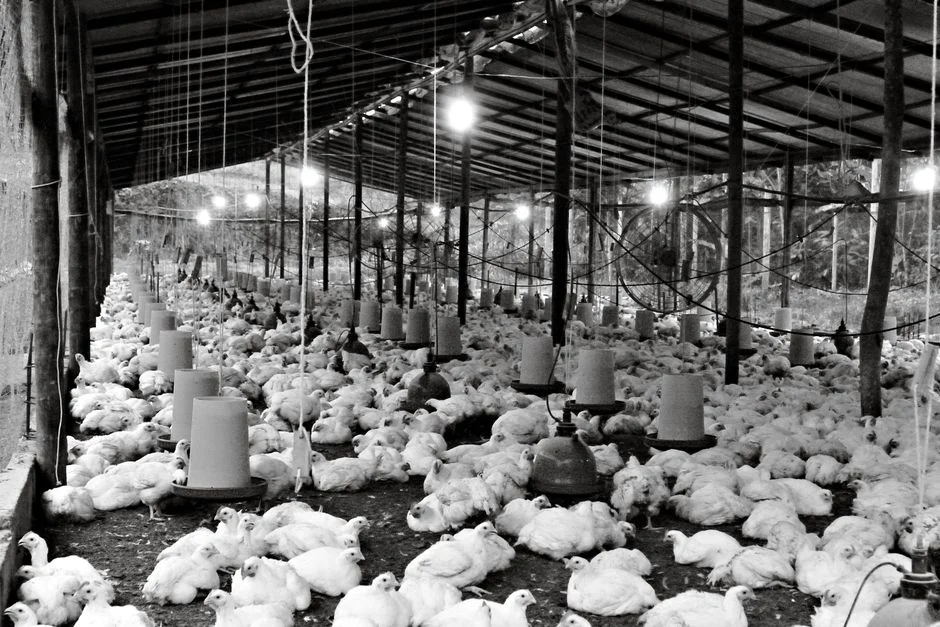
An enclosed brooder limits heat loss by containing warm air within a defined space. Open-top designs lose heat upward, which means the heat source works harder and temperature consistency is harder to maintain — especially in drafty spaces like garages or barns. Enclosed designs like the Big Red Barn reduce that variability. For new keepers who are not yet calibrated to reading chick behavior, that consistency matters: fewer temperature fluctuations mean fewer huddling events that signal a problem.
The chick brooder hub covers the full range of enclosed and open-top designs if the comparison is useful context.
Heat Lamp vs. Heating Plate
The backyard flock community has largely moved toward heating plates over the past several years. Heat lamps maintain ambient air temperature across the whole brooder; heating plates provide contact radiant warmth directly under the plate, which chicks approach or retreat from as needed. That behavioral control is significant — it more closely mirrors what a broody hen provides.
The fire safety argument is also documented clearly in owner communities. Heat lamps are a consistent fire risk in dry brooding environments. Heating plates operate at lower surface temperatures and do not carry the same ignition risk. For keepers brooding in or near structures with combustible bedding, this distinction is not minor.
Flock Size and Heating Plate Capacity
Heating plates are rated for a range of chick counts, and those ratings matter. A plate sized for twelve chicks will not adequately warm twenty-four. Owner reports on undersized setups consistently describe chick crowding and competition for warmth, which creates stress and can suppress early growth.
Before purchasing any brooder set, calculate the maximum flock size you are likely to brood in the next two or three seasons. If that number is near or above the plate’s rated capacity, either size up now or plan for a second heat source. The Big Red Barn set’s fixed-capacity plate is not a limitation for average backyard flock sizes, but it is worth confirming before purchase.
Space Planning Before Setup
Both Big Red Barn variants require dedicated floor space that is protected from drafts and away from household foot traffic during the brooding period. Chicks are sensitive to temperature swings in the first two weeks, and a brooder placed in a high-traffic corridor or near an exterior door will show that in chick behavior and early mortality rates.
Measure the available space before ordering. The full-size Big Red Barn has a substantially larger footprint than the Little Red Barn — the right choice depends on what space is actually available, not just what flock size is planned.
When a Smaller Brooder Makes More Sense
First-time keepers often overbuy brooder capacity. A keeper starting with three to five chicks does not need a large-footprint enclosure, and the Little Red Barn is sized appropriately for that starting point. Smaller enclosures are also easier to clean, easier to position, and more manageable for keepers who are still learning the daily rhythms of brooding.
If flock expansion is genuinely planned — not just possible — the larger enclosure is a better long-term investment. If the starting flock is small and scaling is uncertain, start smaller and resize later.

Frequently Asked Questions
How many chicks can the Big Red Barn Chick Brooder Set accommodate?
Specific chick capacity depends on the included heating plate’s rated coverage, which RentACoop publishes on the product page. The general principle is two to four square inches of heating plate surface per chick during the first week, with more open brooder space needed as chicks grow. Confirm the plate’s stated capacity against your planned flock size before purchasing — the enclosure itself has more room than the plate can effectively heat if the flock is large.
Is the heating plate format safe for very young chicks?
Owner consensus and manufacturer guidance both support heating plates as appropriate from day one post-hatch. Chicks approach the plate from underneath and generate warmth through contact, which mirrors broody hen behavior closely. The plate surface temperature is regulated and does not carry the ignition risk associated with heat lamp setups. Long-term keeper reports consistently describe better chick behavior and lower stress levels with plate-based warming compared to overhead lamp formats.
When should I choose the Little Red Barn over the Big Red Barn set?
The Little Red Barn is the better choice for keepers starting with a small batch — typically under eight to ten chicks — or for those with limited brooding space. The full-size Big Red Barn set is worth the larger footprint only if the flock size warrants it. Keepers who are uncertain about flock expansion are generally better served starting with the smaller option and rebuying later rather than managing an oversized setup for a small batch of chicks.
Can the brooder be used in an unheated garage or barn in winter?
Enclosed brooder designs handle cold ambient environments better than open-top alternatives, but they are not insulated structures. In a genuinely cold unheated space — below freezing — the heating plate will work harder and may struggle to maintain appropriate temperature in the brooder’s far corners. Owner reports from keepers in cold climates recommend adding supplemental ambient heat or positioning the brooder in the warmest available interior location during the first two weeks when temperature sensitivity is highest.
Does RentACoop offer replacement parts or support for the heating plate?
RentACoop specializes in brooder equipment, and that category focus typically means better parts availability and customer support than general farm supply brands carry. For specific warranty terms and replacement plate availability, the product listing and RentACoop’s direct support channels are the right sources. Owner threads note the brand is responsive to product questions, which is relevant for buyers who anticipate needing support through multiple brooding seasons.
RentACoop Big Red Barn Chick Brooder: Pros & Cons
- Big Red Barn design offers distinctive visual appeal for backyard setups
- RentACoop brand specializes specifically in brooder equipment and expertise
- Rental commitment may prove more expensive than buying long-term
Where to Buy
RentACoop Big Red Barn Chick BrooderSee RentACoop Big Red Barn Chick Brooder on AmazonThis review is one of several options covered in our main buying guide for this category.