Cheap Chicken Coops Buyer's Guide: What to Know

Affiliate disclosure: Some links on this page are affiliate links. If you buy through them we earn a small commission at no extra cost to you. Recommendations are research-driven; we don't claim personal use of every product reviewed. Product prices and availability are accurate as of the date published and are subject to change. Always check Amazon for current pricing before purchasing. Learn more.
Quick Picks
Mobile Chicken Coop with Wheels for 4-6 Chickens, Large Outdoor Hen House with Run, Weatherproof Asphalt Roof,
Wheels enable relocation for fresh grazing areas and yard rotation
Buy on Amazon9.9x13.2 FT Metal Chicken Coop, Walk-in Poultry Run Enclosure
Walk-in design allows direct access for cleaning and bird handling
Buy on Amazon4ever2buy Metal Chicken Coop, 10x13 FT Walk-in Chicken Run Pen Poultry Cage, Water-Resistant & Anti-UV Cover, Large
10x13 FT size accommodates multiple birds with ample space
Buy on Amazon| Product | Price Range | Top Strength | Key Weakness | Buy |
|---|---|---|---|---|
| Mobile Chicken Coop with Wheels for 4-6 Chickens, Large Outdoor Hen House with Run, Weatherproof Asphalt Roof, best overall | $$ | Wheels enable relocation for fresh grazing areas and yard rotation | Mobile design may require regular maintenance of wheels and joints | Buy on Amazon |
| 9.9x13.2 FT Metal Chicken Coop, Walk-in Poultry Run Enclosure also consider | $$ | Walk-in design allows direct access for cleaning and bird handling | Metal frame may require periodic rust maintenance in wet climates | Buy on Amazon |
| 4ever2buy Metal Chicken Coop, 10x13 FT Walk-in Chicken Run Pen Poultry Cage, Water-Resistant & Anti-UV Cover, Large also consider | $$ | 10x13 FT size accommodates multiple birds with ample space | Walk-in design requires more ground space than compact models | Buy on Amazon |
| Large Walk-in Chicken Coop with Chicken Run, Galvanized Poultry Enclosure with Waterproof Anti-UV Cover and Security also consider | $$ | Anti-UV waterproof cover provides weather protection for outdoor use | Stationary structure limits flexibility compared to mobile chicken tractors | Buy on Amazon |
| NUGRIART Metal Chicken Coop 83"x38" Chicken Run Pen with Cover also consider | $$ | Metal construction resists rust and rot in outdoor conditions | Stationary design may require manual relocation for ground rotation | Buy on Amazon |
Cheap coops are everywhere. The hard part is figuring out which ones are actually worth buying — and which ones will fail before the second winter, taking your flock’s safety with them. The flat-pack coop I started with didn’t survive Vermont’s first hard freeze. A fox took two birds the following spring, which is when predator protection stopped being a secondary consideration for me. A deeper look at the full range of chicken coop options before you buy will save you from learning those lessons the same way.
Evaluating a cheap chicken coop means looking past the price and into the construction — wire gauge, frame integrity, weatherproofing, and how the design handles predator pressure. The Chicken Coop buying guide covers the category in full if you want the broader picture. This article focuses on the five options that hold up best at the accessible end of the price range.
What to Look For in a Cheap Chicken Coop
Predator Resistance
Predator resistance is the criterion that separates a coop worth buying from one that will cost you birds. A fox, raccoon, or weasel will find every weak point in a poorly constructed enclosure — thin gauge wire, staple-fastened joints, gaps at ground level. Metal construction with welded or tightly connected joints is the baseline. Chicken wire, despite the name, is not adequate — it keeps chickens in but does not reliably stop a determined predator. Look for hardware cloth or welded wire panels, minimum 16-gauge, and a frame that does not flex under pressure.
Ground access matters as much as wall construction. Predators dig. An enclosure without an apron, floor mesh, or skirt buried at the perimeter is vulnerable overnight. Buyers who’ve lost birds to digging predators consistently cite this as the gap they missed the first time.
Weather Protection
A coop that holds up in mild climates may fail quickly in variable ones. Vermont winters taught me that cheap construction and real weather are not compatible — and that lesson applies equally to wet Pacific Northwest conditions, Texas summers, and anywhere with sustained wind. Look for a weatherproof roof material — asphalt shingles or solid panels, not bare plywood — and covers rated for UV resistance.
Metal frames need rust protection, which means either galvanized steel or a powder-coated finish. Untreated metal in a wet climate will show corrosion within a season. Check manufacturer descriptions for galvanization specs rather than assuming any metal coop is automatically rust-resistant.
Flock Size and Space Allowance
Overcrowding is one of the leading causes of flock stress, feather-picking, and disease transmission. The standard recommendation is four square feet of interior coop space per bird and ten square feet of run space per bird. Cheap coops often overstate capacity — a coop marketed for eight birds may realistically house four comfortably. Count usable floor space, not marketing copy.
For small backyard flocks of four to six birds, a compact mobile unit or a modestly sized walk-in run will suffice. Flocks of eight or more need a walk-in enclosure with meaningful square footage. Exploring the full range of chicken coops available at each size tier before committing to a footprint is worth the time — undersizing is a common first-flock mistake.
Assembly and Maintenance Access
A coop you cannot clean is a disease vector. Evaluate access panels, door placement, and whether the interior is reachable without crawling. Walk-in designs make cleaning and egg collection straightforward; compact coops need sliding trays, wide doors, or removable panels to be practical.
Assembly difficulty matters more than buyers typically expect at purchase. A coop with 200 unlabeled parts and poor instructions adds hours to setup and often results in structural gaps if sections are misaligned. Owner reviews are the most reliable source of honest assembly time estimates.
Top Picks
Mobile Chicken Coop with Wheels for 4-6 Chickens, Large Outdoor Hen House with Run, Weatherproof Asphalt Roof
The Mobile Chicken Coop with Wheels for 4-6 Chickens, Large Outdoor Hen House with Run, Weatherproof Asphalt Roof earns its place at the top of this list because it solves two problems at once: it keeps a small flock housed with genuine weather protection, and it allows you to move the whole structure when the ground underneath needs a rest. Chicken tractors — mobile coops designed for rotation — are a practical choice for backyard setups where fresh grazing and ground management matter. This one backs the concept with an asphalt roof rather than bare panel, which is a meaningful construction upgrade at this price band.
Owner reports consistently note the wheels hold up on level ground and gentle slopes, and that the 4–6 bird capacity is accurate for standard-sized breeds. The run space is sufficient for a small flock but does impose a real ceiling — if you’re planning to expand past six birds, this is not the structure to grow into. Verified buyers also flag that the wheel joints and hinges need periodic inspection and lubrication, which is standard for any mobile structure but worth building into your maintenance routine.
The predator resistance is solid for daylight hours but, as with most mobile coops, the ground perimeter requires monitoring. Moving the unit regularly disrupts any would-be digging routine, which is one of the structural advantages of the tractor design.
Check current price on Amazon.
9.9x13.2 FT Metal Chicken Coop, Walk-in Poultry Run Enclosure
For flocks that have outgrown a compact coop, the 9.9x13.2 FT Metal Chicken Coop, Walk-in Poultry Run Enclosure offers a footprint that genuinely serves medium backyard flocks. The walk-in design is not a marketing distinction — it materially changes how you interact with the space. Cleaning, filling waterers, handling birds, and collecting eggs all become straightforward tasks rather than contortion exercises.
The 9.9 by 13.2 foot enclosure provides enough square footage for flocks in the eight-to-twelve bird range when stocked sensibly. Metal construction resists the kind of predator pressure that cheaper wire enclosures fail against — raccoons in particular will work at weak gauge wire until it gives. Buyers in wet climates should note that the frame will need periodic rust inspection and treatment; galvanization slows corrosion but does not eliminate maintenance requirements in standing-water conditions.
Setup requires two people and a few hours, which owner reviews describe consistently. The large footprint also demands a flat, cleared area with meaningful square footage — this is not a structure for tight yards.
Check current price on Amazon.
4ever2buy Metal Chicken Coop, 10x13 FT Walk-in Chicken Run Pen Poultry Cage, Water-Resistant & Anti-UV Cover, Large
The 4ever2buy Metal Chicken Coop, 10x13 FT Walk-in Chicken Run Pen Poultry Cage, Water-Resistant & Anti-UV Cover, Large covers nearly the same footprint as the 9.9x13.2 option but adds a water-resistant, anti-UV cover as part of the base package. For climates with strong sun exposure or significant rain, that cover extends the structure’s usable lifespan in ways that bare metal framing does not.
Metal construction at this size means predator resistance is genuinely strong — the frame handles weight and pressure that lighter wire panels cannot. Verified buyers note that the 10 by 13 foot interior provides comfortable space for flocks of eight to ten birds without crowding, and that the walk-in access makes daily management practical. The anti-UV cover adds a layer of protection for the mesh and frame connections that would otherwise degrade under sustained UV exposure.
The tradeoff is ground space. A 10x13 footprint is a permanent land commitment. Buyers with modest yards should measure carefully before purchase — this is a structure that, once set up, is not easily relocated.
Check current price on Amazon.
Large Walk-in Chicken Coop with Chicken Run, Galvanized Poultry Enclosure with Waterproof Anti-UV Cover and Security
Galvanized steel is the construction standard that holds up over time in variable climates, and the Large Walk-in Chicken Coop with Chicken Run, Galvanized Poultry Enclosure with Waterproof Anti-UV Cover and Security is built to that spec. The galvanization distinction matters: zinc-coated steel resists rust at the frame level, not just at the surface finish. That translates to fewer maintenance interventions in wet seasons.
The walk-in design and waterproof, anti-UV cover work together to give this enclosure solid all-weather utility. Owner reports indicate the cover holds up across seasons without significant degradation, and that the security features — latching mechanisms and reinforced door connections — are sturdier than entry-level alternatives. The human-access door is wide enough to make cleaning and management comfortable.
This is a stationary structure, and buyers should weigh that against the mobile option if ground rotation is a priority. The footprint is substantial, but for a backyard flock that’s found its permanent home, the galvanized construction argues for long-term value over the lifetime of the enclosure.
Check current price on Amazon.
NUGRIART Metal Chicken Coop 83”x38” Chicken Run Pen with Cover
The NUGRIART Metal Chicken Coop 83”x38” Chicken Run Pen with Cover is the most compact of the metal enclosures in this group, and that’s its specific use case. At 83 by 38 inches, it fits into yard configurations where the larger walk-in options won’t land. Owner consensus indicates it houses four to five standard-sized birds adequately, with the integrated cover providing reliable weather and aerial predator protection.
Metal construction throughout means predator resistance is meaningfully stronger than wood-and-wire flat-pack alternatives. The cover is a fixed feature rather than an optional add-on, which removes one sourcing decision and ensures the flock has overhead protection from the start. Buyers should note that without a walk-in configuration, cleaning requires reaching in rather than stepping in — manageable, but worth accounting for in daily routines.
The stationary footprint at this size is less demanding than the larger walk-in models, but ground rotation still requires manually moving the unit. For a small flock in a tight yard, the NUGRIART’s dimensions make it the practical choice where square footage is the limiting constraint.
Check current price on Amazon.
Buying Guide
How Much Space You Actually Need
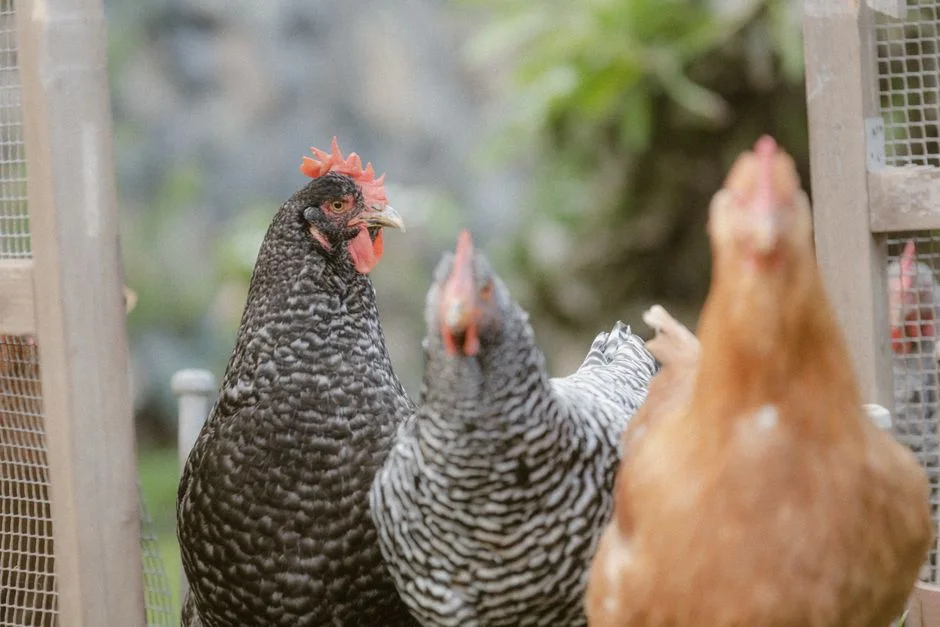
The numbers that matter are four square feet of interior coop space per bird and ten square feet of run space per bird. A coop listed as suitable for eight birds may realistically house four to five if you use those standards rather than the manufacturer’s optimistic figures. Crowding creates feather-picking, increased disease transmission, and egg-laying disruption — problems that compound quickly in a confined flock.
Before settling on a footprint, count your current birds and your realistic maximum flock size within the next two seasons. Buying for your current six birds when you know you’ll be at ten by spring means sizing up now, not buying again in a year.
Stationary vs. Mobile
A stationary enclosure gives you a permanent, stable structure with more size and security options. A mobile coop — often called a chicken tractor — allows you to rotate the flock across fresh ground, which reduces parasite load, improves grass recovery, and distributes manure more evenly across the yard. The tradeoff is size: mobile coops are limited by what can realistically be moved, which caps capacity in the four-to-six bird range.
For a small flock in a yard where ground management matters, mobile is a strong practical argument. For a larger or growing flock where stability and walk-in access are the priority, a stationary walk-in enclosure is the better fit. The chicken coops hub covers both design types in more depth if you’re deciding between them.
Predator Protection: What the Specs Don’t Always Say
Wire gauge and joint construction are the two things most cheap coop descriptions undersell. A raccoon will work at thin-gauge wire until it fails — often overnight. Hardware cloth at 16-gauge or heavier is the minimum for reliable nocturnal predator resistance. Welded joints hold better than stapled connections under sustained pressure.
The perimeter at ground level is where most cheap enclosures are most vulnerable. An apron of mesh extending outward from the base — or a buried skirt — stops digging predators. If the coop description does not mention ground protection, plan to add it yourself. The fox that took two of my birds got through a perimeter gap I hadn’t closed properly. That cost is not recoverable.
Weather and Seasonal Durability
A cheap coop that fails in its first hard winter is not a bargain. The flat-pack I started with did not make it through Vermont’s first freeze — thin construction and no real insulation or roof integrity. Look specifically for weatherproof roof materials, UV-rated covers, and galvanized or powder-coated metal frames. Bare metal in wet conditions will rust at the joints within a season.
For climates with strong sun, UV degradation on covers and plastic components shortens the enclosure’s usable life. Anti-UV covers are worth the marginal upgrade; they extend the functional lifespan of the mesh and frame connections significantly. For cold climates, roof pitch matters — flat roofs collect snow load, which puts structural stress on the frame over a winter.
Assembly Realism
Budget coops with poor instructions or unlabeled hardware create structural problems during setup that compound into security gaps later. Owner reviews are the most reliable guide to actual assembly time and difficulty — manufacturer estimates are consistently optimistic. A coop that takes eight hours and two people to assemble is not the same proposition as one that takes three hours solo, even if the finished structure is similar.
Evaluate access panels and door placement during the research phase, not after the coop is assembled and in use. A structure you cannot clean efficiently will accumulate ammonia, wet litter, and disease pressure faster than one where daily access is straightforward.
Frequently Asked Questions
What’s the minimum space a cheap chicken coop needs to provide per bird?
The standard is four square feet of interior coop space per bird and ten square feet of run space per bird. Most cheap coops overstate their listed capacity — a coop marketed for six birds often houses three to four comfortably by those measurements. Use the square footage in the product description, not the bird count on the label, as your primary evaluation criterion.
Is a mobile chicken coop or a stationary walk-in enclosure the better choice for a small backyard flock?
For flocks of four to six birds in a yard where ground rotation matters, a mobile coop is the stronger practical choice — it moves the flock to fresh grazing areas and reduces parasite buildup in a fixed patch. For flocks of eight or more, a stationary walk-in enclosure provides better space, security, and daily access. The Mobile Chicken Coop with Wheels handles the former well; the Large Walk-in Chicken Coop with Chicken Run handles the latter.
How do I protect a cheap metal coop from rust in a wet climate?
Galvanized steel frames resist rust far longer than bare metal or powder-coat-only finishes. In consistently wet climates, inspect joints and connection points seasonally — moisture collects there first. Touch up any scratched or worn areas with cold galvanizing compound, and ensure the coop sits level so water does not pool at the base frame. The Large Walk-in Chicken Coop with Galvanized Construction is the better long-term choice for high-rainfall regions.
Can a cheap chicken coop withstand serious predator pressure overnight?
Metal construction with welded joints and hardware cloth panels provides reliable overnight predator resistance; thin-gauge wire and stapled connections do not. Every enclosure in this list uses metal framing, which is the baseline. The perimeter at ground level is the most common vulnerability — an outward-extending mesh apron or buried skirt stops digging predators that a well-constructed wall alone will not deter.
How many birds can the 9.9x13.2 FT metal walk-in coop realistically house?
Using the ten-square-foot-per-bird run standard, the roughly 130 square feet of the 9.9x13.2 FT Metal Chicken Coop can reasonably accommodate ten to twelve birds. In practice, owner reports suggest eight to ten standard-sized birds as a comfortable operating range — leaving room for normal flock movement without the crowding stress that comes from running at maximum theoretical capacity.

Where to Buy
Mobile Chicken Coop with Wheels for 4-6 Chickens, Large Outdoor Hen House with Run, Weatherproof Asphalt Roof,See Mobile Chicken Coop with Wheels for 4… on Amazon