Best Egg Laying Chickens for Backyard Flocks: A Guide

Affiliate disclosure: Some links on this page are affiliate links. If you buy through them we earn a small commission at no extra cost to you. Recommendations are research-driven; we don't claim personal use of every product reviewed. Product prices and availability are accurate as of the date published and are subject to change. Always check Amazon for current pricing before purchasing. Learn more.
Quick Picks
Chicken Nesting Boxes, 3 Compartments Egg Collection with Removable Drawer, Chicken Metal Laying Nest Box for Hens,
Metal construction provides durability for outdoor coop environments
Buy on AmazonSunGrow Fake Wooden Eggs to Train Birds from Laying in The Nesting Boxes & to Stop from Eating Own Eggs, Brown Color, 2
Wooden construction mimics natural egg appearance for bird acceptance
Buy on AmazonSunGrow Fake Eggs for Laying Hens in Chicken Coop, Train to Lay Inside Nest Box, Beige, 4 Pcs per Pack
Four-piece quantity accommodates multiple nest boxes simultaneously
Buy on Amazon| Product | Price Range | Top Strength | Key Weakness | Buy |
|---|---|---|---|---|
| Chicken Nesting Boxes, 3 Compartments Egg Collection with Removable Drawer, Chicken Metal Laying Nest Box for Hens, also consider | $$ | Metal construction provides durability for outdoor coop environments | Metal material may require regular maintenance to prevent rust | Buy on Amazon |
| SunGrow Fake Wooden Eggs to Train Birds from Laying in The Nesting Boxes & to Stop from Eating Own Eggs, Brown Color, 2 also consider | $$ | Wooden construction mimics natural egg appearance for bird acceptance | Fake eggs cannot address underlying nutritional or health deficiencies | Buy on Amazon |
| SunGrow Fake Eggs for Laying Hens in Chicken Coop, Train to Lay Inside Nest Box, Beige, 4 Pcs per Pack also consider | $$ | Four-piece quantity accommodates multiple nest boxes simultaneously | Fake eggs lack weight of real eggs for authentic training | Buy on Amazon |
Six years into keeping chickens, the question I get most often is some version of: which breeds actually lay, and how do you get them to use the nest boxes consistently? Both are fair questions. The breed matters, but so does the setup you give them.
This covers the best egg laying chickens for backyard flocks, what to look for when you’re choosing birds, and the gear that makes daily egg collection less of a chore. For a deeper look at breed profiles and production data, visit our Eggs & breeds hub.
What Makes a Chicken a Good Layer?
Not every chicken was bred for the same job. Some breeds were developed for meat, some for dual purpose, and a smaller group were refined almost entirely around egg production. When you’re choosing birds for a laying flock, three factors consistently separate the high producers from the moderate ones.
Breed History and Selection Pressure
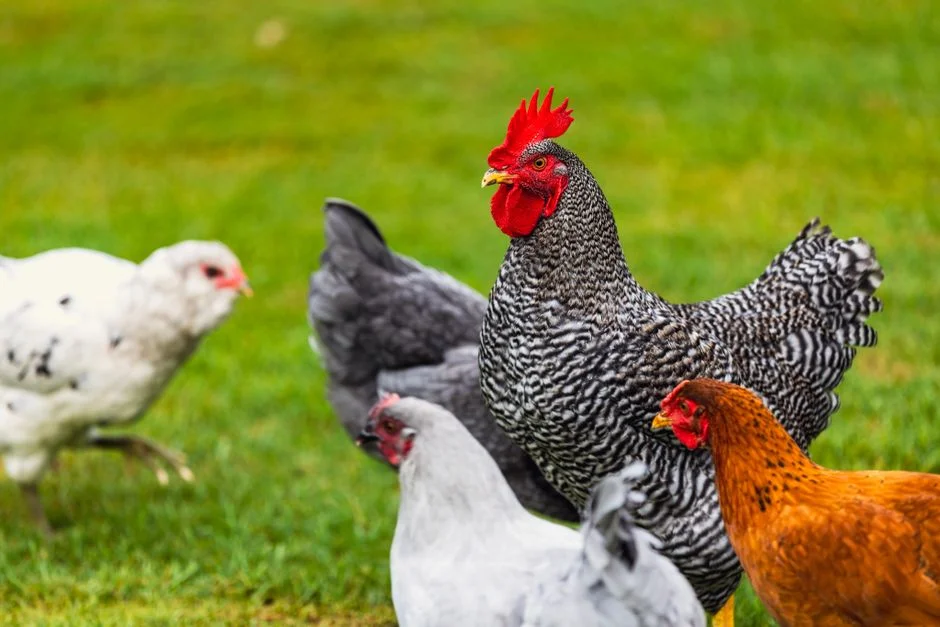
Breeds like the Leghorn, Golden Comet, and ISA Brown exist because commercial hatcheries and backyard keepers spent decades selecting for one trait above almost everything else: eggs. A White Leghorn hen can hit 280 to 320 eggs per year under good conditions. A heritage dual-purpose breed like a Dominique might give you 150 to 180. Neither number is wrong, but they’re different tools.
Heritage breeds often trade volume for longevity, calmer temperaments, and better foraging ability. Production breeds trade some of those qualities for consistent high output, particularly in the first two to three laying years before production drops. Know what you’re optimizing for before you order chicks.
Feed Quality and Nutrition
A hen builds an egg from what she eats. Calcium is the most obvious requirement because she’s depositing it into a shell every 24 to 26 hours. Layer feed formulated at 3.5 to 4 percent calcium covers most of that, but supplemental oyster shell on the side lets birds self-regulate. Protein matters too. Molt is hard on production, and a flock that’s short on protein recovers slowly.
I learned this the hard way when my flock grew to fourteen birds and I was stretching a bag of feed further than I should have. Shell quality dropped before anything else did.
Stress, Light, and Environment
Laying is sensitive to disruption. Hens need roughly 14 to 16 hours of light to maintain peak production. Short winter days in Vermont will stall a flock without supplemental lighting. Stress from predator pressure, overcrowding, or flock shuffling also suppresses laying. The fox that took two of my birds one spring set production back across the whole flock for several weeks, not just the survivors I’d have expected to be rattled.
Best Egg Laying Chicken Breeds
Leghorn
The White Leghorn is the production benchmark most other breeds get compared against. Hatchery strains can produce 280 to 320 white eggs annually. They’re efficient converters of feed to egg, which matters if you’re running a larger flock. The tradeoff is temperament: Leghorns tend to be flighty and high-strung, not the breed you want if you have young kids handling birds regularly. They’re also on the leaner side and not much use as a meat bird.
For raw production numbers, nothing in the backyard category reliably beats them.
Golden Comet and ISA Brown (Sex-Links)
Sex-link hybrids like the Golden Comet and ISA Brown are the workhorses of the small flock world. They’re calm, they start laying early (often around 16 weeks), and they put up 250 to 300 brown eggs per year in their prime. They’re also easy to sex at hatch, which matters if you’re ordering from a hatchery and don’t want surprise roosters.
The catch with sex-links is shorter productive lifespan. Many keepers report a sharp drop in production by year three, along with higher rates of reproductive issues in older hens. If you’re rotating new birds into your flock regularly, that’s less of a concern.
Rhode Island Red
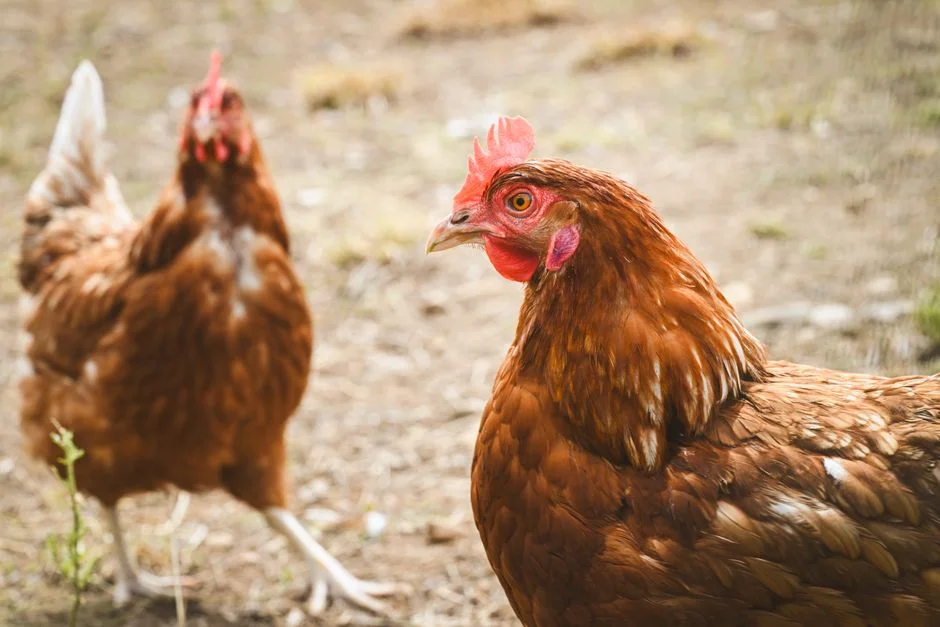
The Rhode Island Red is probably the most common recommendation for beginning keepers, and it holds up. They’re docile enough to handle, hardy across climates, and will give you 200 to 280 brown eggs per year depending on the line. Hatchery RIRs and heritage RIRs vary considerably in production, so source matters.
They tolerate confinement reasonably well, which is useful if your run is on the smaller side. They’re also genuinely dual-purpose, so birds that age out of production have some value as meat birds.
Plymouth Rock (Barred Rock)
Barred Rocks land in the 200 to 280 egg range annually and are consistently cited as one of the better cold-climate layers. Owner communities report that they maintain production better through harsh winters than some of the more production-focused breeds. They’re calm, large-bodied, and handle mixed flocks well.
If you’re in a northern climate and you want a breed that won’t completely stall in February, the Barred Rock is one of the more dependable options.
Easter Egger
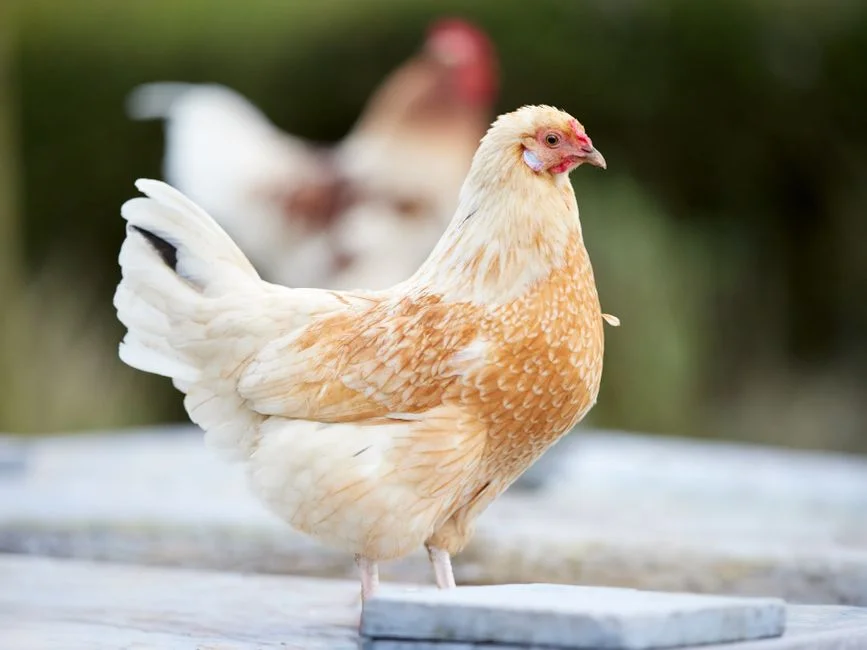
Easter Eggers aren’t a true breed, but they deserve a mention because they’re widely available and consistently popular. They lay blue or green eggs at a rate of roughly 200 to 250 per year. Production is lower than the top-tier layers, but keepers report they’re personable birds that hold up well in cold climates. If egg color variety matters to your household, they’re worth including in a mixed flock.
Buying Guide: Setting Up Your Laying Flock
Getting the right breeds is step one. Getting your setup right is what actually determines whether those birds lay where they’re supposed to and whether you lose eggs to breakage, eating, or scattered laying. Here’s what matters for the practical side of running a laying flock. For breed-level detail, the egg production guides and breed profiles hub is a useful starting point.
Nest Box Count and Placement
The standard recommendation is one nest box per four to five hens. In practice, most flocks pile into one or two preferred boxes regardless of how many you provide, but having adequate options reduces competition stress. Boxes should be positioned lower than roost bars, in a darker, quieter section of the coop. Hens prefer to lay in enclosed, secure-feeling spaces.
Metal boxes tend to outlast wood in coop environments. Wood absorbs moisture, harbors mites in crevices, and warps with humidity cycles. If you’ve priced replacement lumber recently, the durability argument for metal construction is easy to make.
Training Hens to Use Nest Boxes
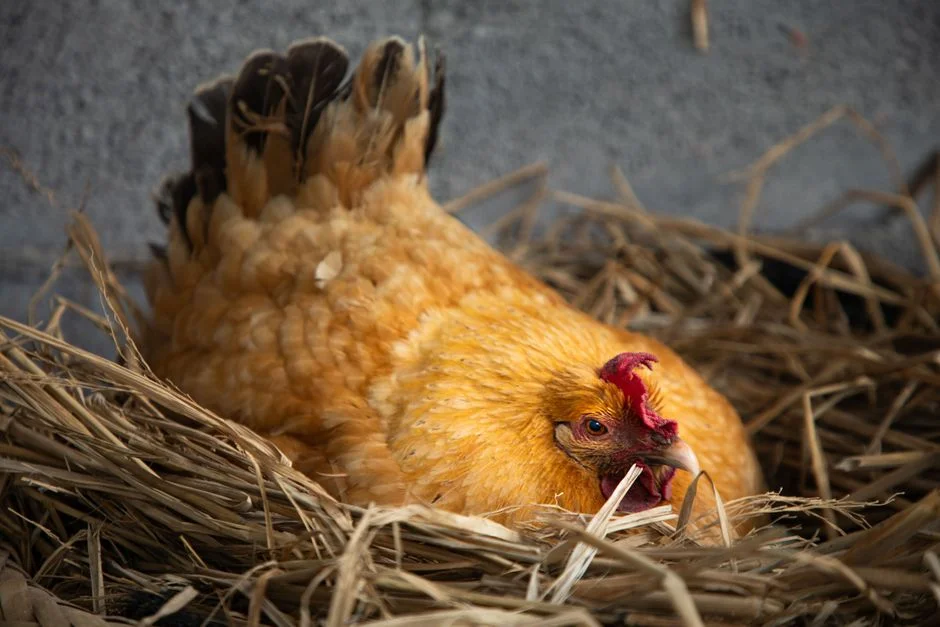
New pullets and birds new to a coop often lay on the floor, in corners, or in spots they’ve decided are better than the actual nest boxes. Fake training eggs placed in the boxes are a standard fix, and they work on a simple principle: a hen that sees eggs in a spot reads it as an established laying location and is more likely to use it.
The same tool applies to egg-eating behavior, where a hen pecks at and consumes real eggs. Replacing real eggs with non-breakable decoys interrupts the reward cycle. It won’t fix a bird with a severe habit or an underlying nutritional issue, but as a first intervention, keepers widely report it’s worth trying before more drastic measures.
Managing Floor Layers and Egg Eating
Floor-laid eggs get stepped on, soiled, and broken. Broken eggs teach hens that eggs are edible, which is a loop you don’t want to start. Consistent nest box training, adequate box count, and clean bedding in the boxes reduce floor laying significantly.
If egg-eating behavior persists past basic interventions, consult a poultry vet. There are nutritional and management components that can contribute, and some advice floating around online on dietary fixes involves guidance that’s better left to a professional.
Egg Collection Frequency
Collecting eggs twice daily reduces breakage, limits the time eggs spend in conditions that affect quality, and discourages broody behavior in breeds prone to it. In winter, it also prevents freezing. I was hauling water twice a day once my flock hit fourteen, and adding an egg collection loop to that routine wasn’t difficult, but it’s a real time commitment that new keepers tend to underestimate.
A nest box with a removable collection drawer simplifies the daily routine considerably, particularly in cold months when you’d rather not reach around hens that don’t want to move.
Top Picks for Nest Box Setup
Chicken Nesting Boxes, 3 Compartments Egg Collection with Removable Drawer
The Chicken Nesting Boxes, 3 Compartments Egg Collection with Removable Drawer, Chicken Metal Laying Nest Box for Hens is a metal three-compartment unit with a removable egg collection drawer. Spec data shows all-metal construction, which addresses the moisture and mite-harboring issues that make wood boxes a recurring maintenance problem in humid or wet climates.
Verified buyers note that the removable drawer makes daily collection faster, particularly useful in winter when reaching into occupied boxes is less pleasant for everyone involved. Three compartments covers a flock of roughly 12 to 15 hens at the recommended one-box-per-four-hens ratio.
The limitation here is scale. If you’re running 20 or more birds, three compartments is a starting point rather than a complete solution, and you’d likely need a second unit. Long-term owners also flag that the metal will need periodic inspection for rust in wet climates, particularly at joints and mounting hardware.
Check current price on Amazon.
SunGrow Fake Wooden Eggs to Train Birds from Laying in The Nesting Boxes
The SunGrow Fake Wooden Eggs to Train Birds from Laying in The Nesting Boxes & to Stop from Eating Own Eggs, Brown Color, 2 is a two-pack of wooden training eggs intended to address two related problems: hens laying outside designated boxes and hens that have started eating eggs.
Wooden construction means these won’t shatter if pecked, which is the functional point. A hen pecking at one of these gets no reward and, over time, the behavior tends to extinguish. Owner feedback generally describes them as effective for mild to moderate cases of floor laying and early-stage egg eating. The two-pack covers a couple of boxes, which is adequate for a small flock but may require multiples for larger operations.
Worth being clear: wooden training eggs won’t resolve egg-eating that has a nutritional root cause, and they won’t fix a hen that’s already deeply habituated to the behavior. They’re a behavioral intervention, not a nutritional one.
Check current price on Amazon.
SunGrow Fake Eggs for Laying Hens in Chicken Coop
The SunGrow Fake Eggs for Laying Hens in Chicken Coop, Train to Lay Inside Nest Box, Beige, 4 Pcs per Pack is a four-piece set of beige training eggs aimed at conditioning pullets and new layers to use designated nest boxes.
Four pieces gives you more coverage than a two-pack, which is useful if you’re running multiple boxes or want to reinforce the behavior across an entire coop at once. The beige coloring is designed to approximate the appearance of a natural egg well enough that hens accept the decoys. Keeper forums and owner reviews consistently describe the fake-egg-in-the-box approach as one of the more reliable low-intervention tools for getting young hens laying in the right place.
The honest limitation is that these are lighter than real eggs, so they don’t replicate the full sensory experience. For most training purposes, that doesn’t seem to matter based on what long-term keepers report.
Check current price on Amazon.
Frequently Asked Questions
What is the best egg laying chicken for a beginner?
The Rhode Island Red and Barred Rock are the most consistently recommended first breeds for new keepers. Both produce reliably, handle a range of climates, and are calm enough to manage without a lot of prior experience. Sex-links like the Golden Comet are also beginner-friendly because they start laying early and produce at high rates. Production breeds require more attention to nutrition and health monitoring as they age.
How many eggs per week should I expect from a good layer?
A high-production breed in her first or second laying year will average five to six eggs per week under good conditions, with some breeds hitting seven on a consistent basis. Production drops during molt, in short-day winter months without supplemental lighting, and during periods of stress or illness. Heritage breeds will typically average three to five eggs per week, with more seasonal variation than production-focused strains.
Do fake training eggs actually work for stopping floor laying?
Keeper reports are generally positive for birds that haven’t developed a deep-set habit of laying elsewhere. Placing fake eggs in the nest boxes signals to hens that the location is already established and safe for laying. Effectiveness varies by individual bird temperament and how consistently the training setup is maintained. They work best as a preventive measure with pullets before bad habits form, rather than a correction for a longtime floor layer.
At what age do chickens start laying eggs?
Most production breeds and sex-links begin laying between 16 and 20 weeks of age. Heritage and dual-purpose breeds often take longer, sometimes 24 to 28 weeks or more. The first eggs are typically small and sometimes irregular in shape or shell quality. Pullets coming into production in fall may delay their first lay until the following spring if day length drops before they reach maturity.
How do I get my hens to stop eating their own eggs?
Egg eating is easier to prevent than to stop once established. Collecting eggs twice daily, ensuring adequate calcium in the diet, and reducing breakage by keeping nest box bedding deep and clean are the first steps. Training eggs placed in the boxes can interrupt the pecking-and-reward cycle for birds in early stages of the behavior. If the behavior persists despite management changes, consult a poultry vet to rule out nutritional deficiencies or other underlying causes.
Where to Buy
Chicken Nesting Boxes, 3 Compartments Egg Collection with Removable Drawer, Chicken Metal Laying Nest Box for Hens,See Chicken Nesting Boxes, 3 Compartments… on Amazon