Chicken Waterer Buyer's Guide: What to Know Before Buying

Affiliate disclosure: Some links on this page are affiliate links. If you buy through them we earn a small commission at no extra cost to you. Recommendations are research-driven; we don't claim personal use of every product reviewed. Product prices and availability are accurate as of the date published and are subject to change. Always check Amazon for current pricing before purchasing. Learn more.

Quick Picks
RentACoop 2 Gallon High Rise Chicken Waterer with Cups & Nipples
2 gallon capacity reduces refilling frequency for small flocks
Buy on AmazonPremier 1 Supplies Premier 1 All-Season Heated Poultry Waterer for Chickens & Ducks – 3 Gallon
Heated design enables year-round use in cold climates
Buy on AmazonFarm Innovators, Inc. Farm Innovators HB-60P Heated Poultry Waterer Drinker, 2-Gal, 60W Single White
60W heating element maintains water availability throughout winter months
Buy on Amazon| Product | Price Range | Top Strength | Key Weakness | Buy |
|---|---|---|---|---|
| RentACoop 2 Gallon High Rise Chicken Waterer with Cups & Nipples best overall | $$ | 2 gallon capacity reduces refilling frequency for small flocks | 2 gallon capacity may require frequent refills for larger flocks | Buy on Amazon |
| Premier 1 Supplies Premier 1 All-Season Heated Poultry Waterer for Chickens & Ducks – 3 Gallon also consider | $$ | Heated design enables year-round use in cold climates | Heated models typically cost more than standard waterers | Buy on Amazon |
| Farm Innovators, Inc. Farm Innovators HB-60P Heated Poultry Waterer Drinker, 2-Gal, 60W Single White also consider | $$ | 60W heating element maintains water availability throughout winter months | Single waterer requires multiple units for larger flocks | Buy on Amazon |
| FARM-TUFF Premium 5-Gallon Hanging Chicken Waterer – BPA-Free Plastic, Top-Fill Poultry Fountain for Chickens, Ducks, also consider | $$ | Top-fill design simplifies refilling without removing waterer | Hanging system requires secure coop installation infrastructure | Buy on Amazon |
Hauling water twice a day in January is the moment most chicken keepers start taking waterer design seriously. By the time a flock reaches six or seven birds, hydration logistics stop being an afterthought and start being a real daily commitment — one that compounds fast in cold weather. The right chicken waterer makes that commitment manageable. The wrong one creates more work than it saves.
What separates a dependable waterer from a frustrating one is not price or brand recognition alone. Capacity, material, access-point design, and cold-weather readiness each play a role — and the right balance depends on flock size, climate, and coop setup.
What to Look For in a Chicken Waterer
Capacity and Flock Size
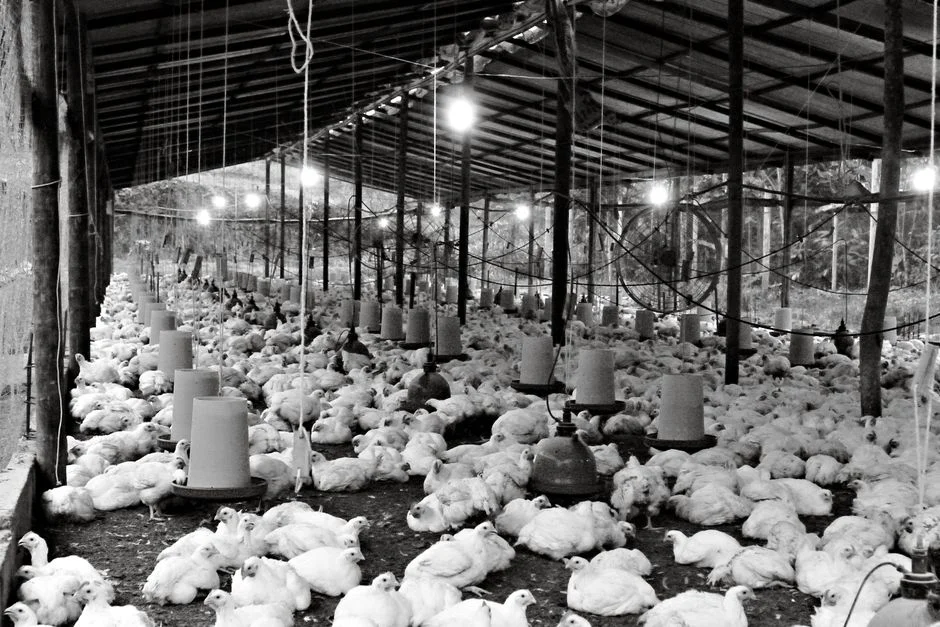
Capacity is the number most buyers anchor on, and it matters — but the relationship between gallons and flock size is less straightforward than it looks. A general field benchmark is approximately one gallon per four to five birds per day, though that figure shifts with ambient temperature, feed type, and season. Hot summer months and laying hens both increase water consumption noticeably.
The practical consequence is that undersized capacity creates a daily refilling obligation that compounds quickly. A two-gallon waterer for a flock of twelve is a twice-daily chore. A five-gallon unit for the same flock may only need attention every two or three days. The difference is not trivial when January temperatures drop well below freezing and the water supply is outside the heated coop.
For small flocks of four to six birds, two- and three-gallon options are workable. Flocks of eight or more benefit meaningfully from five-gallon or larger capacity, or from running multiple smaller units. If the flock is still growing, sizing up at purchase is the less expensive long-term decision.
Access Point Design
Waterer access points — cups, nipples, or open troughs — affect both water hygiene and behavioral fit. Nipple waterers reduce contamination dramatically because birds peck at a valve rather than drinking from an open surface. Wet litter, feed debris, and droppings stay out of the water supply. The trade-off is a short learning period: most adult birds adapt within a few days, but young chicks may require introduction to nipples before they drink confidently.
Cup systems are a middle ground. They provide a small open reservoir at each cup, which birds find more intuitive than nipples, while still limiting how much bedding and debris reach the water. Combined cup-and-nipple systems offer both access styles on the same unit. Open-trough galvanized designs are the oldest format — easy for all birds to use, but the most contamination-prone and the most frequent to require cleaning.
Heating and Cold-Weather Reliability
In climates with sustained freezing temperatures, a waterer without a heating element is not a viable primary water source through winter. A frozen waterer at six in the morning is not an inconvenience — it is a welfare problem for the flock. Heated waterers solve this, but they introduce their own variables: wattage draw, cord routing through the coop, and whether the thermostat activates reliably at the right threshold.
The two most common heated formats are base heaters (which sit under an existing waterer) and integrated heated units where the heating element is built into the container. Integrated units are generally more reliable because the heat transfers directly to the water rather than through a plastic or metal base. Wattage is less important than thermostat accuracy — a 60W element that activates consistently is more useful than a 100W element that runs continuously and drives up electricity costs.
For buyers in USDA hardiness zones 6 and below, a heated option is not optional for year-round reliability. Exploring the full range of waterer options by climate type before committing to a specific unit is worth the time.
Mounting and Placement
How a waterer is mounted or positioned directly affects contamination rates. Waterers hung at or just above the birds’ back height stay cleaner than waterers sitting on the coop floor. Floor-level waterers collect bedding, shavings, and droppings at a rate that requires daily cleaning to prevent bacterial growth — a sanitation burden most keepers underestimate.
Hanging systems require a secure anchor point — a screw hook, a beam, or a purpose-built bracket rated for the waterer’s filled weight. A five-gallon unit weighs over forty pounds when full. Verify that the coop structure can support that load before purchasing a hanging design.
Top Picks
RentACoop 2 Gallon High Rise Chicken Waterer with Cups & Nipples
The RentACoop 2 Gallon High Rise Chicken Waterer is the most practical starting point for small flocks of four to six birds. The high-rise base elevates the unit above bedding level, which is the single most effective structural feature for keeping water clean between refills. Owner reports consistently note that contamination from shavings and droppings drops off sharply compared to floor-level designs.
The combination of cups and nipples on the same unit is a genuine practical advantage. Birds that are new to nipple drinkers can use the cups while they acclimate, and experienced birds have both access points available. That flexibility matters when introducing younger birds to an established flock — you are not betting the water supply on whether every bird has figured out nipple mechanics yet.
The two-gallon capacity is the honest constraint here. For a flock of four to six, it is workable. Beyond seven or eight birds, refill frequency climbs fast, and this unit starts to feel undersized for the daily workload. It is worth pairing with a second unit or stepping up in capacity if the flock is still growing. For buyers interested in nipple-based systems specifically, the chicken nipple waterer guide covers the full range of standalone nipple designs.
Check current price on Amazon.
Premier 1 All-Season Heated Poultry Waterer for Chickens & Ducks – 3 Gallon
Cold-climate reliability is where the Premier 1 All-Season Heated Poultry Waterer earns its place in this list. Premier 1 Supplies has a long-standing reputation in the poultry equipment category, and owner consensus on the heated waterer line reflects that — keepers who have run these units through multiple Vermont and Minnesota winters report consistent thermostat performance and no-freeze operation down to well below freezing.
The three-gallon capacity is appropriate for small to medium flocks of six to ten birds, with the understanding that winter water consumption can run slightly higher than summer averages. For flocks on the smaller end, this is a set-it-and-monitor-it solution rather than a daily refill obligation. The all-season claim holds up in field reports; the integrated heating element design is more reliable than base-heater setups because the heat applies directly to the water column.
Where this unit asks for honest assessment: three gallons is not generous for larger flocks, and the price premium over non-heated options is real. For buyers who do not face sustained freezing temperatures, the heated feature is unnecessary cost. But for keepers in genuinely cold climates, the alternative — discovering a frozen waterer on a January morning — is not a reasonable trade-off.
Check current price on Amazon.
Farm Innovators HB-60P Heated Poultry Waterer Drinker, 2-Gal, 60W
The Farm Innovators HB-60P is the more accessible entry point into heated waterers, and Farm Innovators has been producing poultry heating equipment long enough that the brand’s cold-weather track record is well-documented. The 60W heating element is adequately sized for most cold-climate applications — the key variable is thermostat quality rather than raw wattage, and owner reports for this unit indicate consistent activation behavior.
At two gallons, this is genuinely a small-flock waterer. For three to five birds, it covers a day’s consumption comfortably. For flocks of six or more, it works best as a secondary unit alongside a higher-capacity option rather than as the sole water source. Multiple keepers running larger flocks note in their reviews that they use two HB-60P units during winter rather than one, which achieves both redundancy and combined capacity.
The white finish and relatively compact profile make it unobtrusive in most coop settings — a small practical point, but one that matters in tidy coop setups. This is not a complex waterer. It does one thing — keeps water liquid through winter — and the field consensus is that it does that reliably for the capacity it offers.
Check current price on Amazon.
FARM-TUFF Premium 5-Gallon Hanging Chicken Waterer
The FARM-TUFF Premium 5-Gallon Hanging Chicken Waterer is the budget-tier option here, and it is worth naming that directly: this is a generic plastic hanging waterer from a no-established-brand manufacturer, not a comparable build to the named-brand units above. That context matters when evaluating the trade-offs.
What it offers is genuine: five gallons of capacity in a top-fill hanging design, BPA-free construction, and a price point that makes sense for keepers who need volume without the budget for a branded unit. The top-fill design is a real usability improvement over bottom-fill designs — you do not have to remove the waterer from its hanging position to refill it, which matters when it is suspended at the right height for flock hygiene. Owner reviews are broadly positive on this point specifically.
The plastic construction is the honest limitation. Cheaper plastics degrade faster under UV exposure, temperature cycling, and the wear of a coop environment than the polypropylene used in established-brand units. For buyers running a large or growing flock on a tight budget, this is a workable choice — especially as a primary summer waterer where freeze risk is not a factor. For year-round reliability in cold climates, the heated options above are the stronger answer. Keepers planning a more integrated setup should also see the chicken coop water system guide for plumbed and gravity-fed alternatives.
Check current price on Amazon.
Buying Guide
Flock Size Is the Starting Calculation
The right waterer starts with an honest flock count — including how large the flock is likely to be in twelve months, not just today. Undersizing is the most common waterer mistake, and it has a direct daily cost: more refills, more opportunities for the water to run low between visits, and more contamination events as birds crowd a single insufficient access point.
A working rule: one gallon per four to five birds per day as a baseline, then add buffer for growth, hot weather, and the reality that refilling every single day is not always feasible. For flocks of ten or more, the large chicken waterer guide covers high-capacity options that go well beyond the five-gallon range covered here.
Heated vs. Unheated — A Climate Decision, Not a Preference
Heated waterers cost more to purchase and draw electricity continuously through winter. For keepers in climates that stay above freezing year-round, the added cost is waste. For keepers in zones where temperatures regularly drop below 32°F for weeks at a time, a non-heated waterer is not a real option — it is a plan that fails on the first hard-freeze morning.
The decision is binary, not a spectrum. Identify your coldest reliable overnight low from the past three winters. If it is consistently below freezing for more than two or three weeks per year, budget for a heated unit. If the flock will be outdoors through those nights, the water supply needs to survive the same conditions. No insulation workaround or base-heating trick is as reliable as an integrated heated waterer in sustained sub-freezing weather.
Automatic and Plumbed Systems for Larger Operations
For keepers managing ten or more birds — or anyone who has hit the point where twice-daily water hauling is genuinely disrupting the rest of a day — automatic and plumbed waterer systems deserve serious consideration. These connect to a household water supply or dedicated coop line and refill continuously, removing the capacity question entirely.
The trade-off is installation complexity and a requirement for reliable plumbing access to the coop. The automatic chicken waterer guide covers the full range of float-valve and pressure-regulated systems for coops with existing infrastructure. If the coop is already plumbed, the upgrade math is straightforward — the labor cost of daily refilling, calculated over a season, typically justifies the installation quickly. Browsing the full chicken waterer category is a useful starting point for matching system type to coop setup and flock size.
Cleaning and Maintenance Reality
A waterer that is difficult to clean will not be cleaned as often as it should be. That is not a moral failure — it is a design flaw in the waterer. Algae growth, bacterial contamination, and feed debris accumulation are normal in any waterer used daily. The question is how quickly a given design can be broken down, rinsed, and returned to service.
Nipple and cup systems have more components than open-trough designs. Each nipple valve needs to be checked periodically for blockage, especially in areas with hard water. Open-trough galvanized waterers clean quickly but require daily attention because contamination happens faster. The cleaning schedule you will actually maintain should factor into the access-point decision, not just the drinking behavior of the flock.
Material Longevity
Plastic waterers are lighter, less expensive, and easier to handle when full. Metal waterers — typically galvanized steel — are more durable under UV exposure, temperature cycling, and the mechanical wear of a busy coop. In practice, a quality plastic waterer from an established brand will outlast a cheap metal unit, but a quality galvanized waterer will generally outlast a quality plastic one over a multi-year horizon.
For buyers intending to run the same waterer for five or more years, galvanized construction is the more durable investment. For buyers who want a functional solution at lower upfront cost and are comfortable replacing in three to four years, quality plastic is a reasonable choice. The FARM-TUFF unit above is the honest budget-plastic option; the branded units carry better material specs.
Frequently Asked Questions
How many waterers do I need for a flock of ten chickens?
For a flock of ten, a single five-gallon waterer provides adequate daily capacity, but running two smaller units offers useful redundancy — if one freezes, malfunctions, or runs dry, the flock still has access to water. Multiple access points also reduce crowding competition, which matters in mixed-age or mixed-breed flocks where dominant birds may monopolize a single waterer. Two units is the practical answer for flocks at or above ten birds.
What is the difference between nipple waterers and cup waterers?
Nipple waterers require birds to peck at a horizontal or vertical valve to release water, which keeps the supply almost entirely sealed from contamination. Cup waterers provide a small open reservoir at each access point — more intuitive for birds, particularly chicks, but slightly more exposed to debris. Both designs are significantly cleaner than open-trough formats. The RentACoop 2 Gallon High Rise Chicken Waterer combines both on one unit, which handles the learning-curve issue for flocks with mixed experience levels.
Is a heated waterer worth the cost if winters are only occasionally freezing?
If temperatures dip below freezing only occasionally — a few nights per season — a heated waterer is probably not a necessary investment. A standard waterer with a base heater on standby, or simply swapping in a fresh unfrozen container on cold mornings, is workable for marginal climates. For climates with sustained freezes of two or more weeks, the cost of a heated unit like the Premier 1 All-Season Heated Poultry Waterer is justified by the daily reliability it provides.
How often should a chicken waterer be cleaned?
Open-trough and cup waterers should be rinsed and refilled daily in warm weather and every two to three days in cold weather, when bacterial growth is slower. Nipple-based systems can often go three to five days between full cleanings in cooler conditions, though daily visual checks for blockages are good practice. In summer, algae growth accelerates — any waterer exposed to sunlight should be cleaned more frequently, and moving it to a shaded position significantly reduces algae buildup between cleanings.
Can I use a standard chicken waterer for ducks in the same flock?
Ducks require enough water depth to submerge their bills for nasal clearing, which standard nipple waterers do not provide. A flock that mixes chickens and ducks needs at least one open-water source suitable for duck bills — the Premier 1 All-Season Heated Poultry Waterer is explicitly rated for ducks and chickens. Running a nipple or cup waterer for the chickens alongside an open waterer for the ducks is the most common practical solution for mixed flocks.
Where to Buy
RentACoop 2 Gallon High Rise Chicken Waterer with Cups & NipplesSee RentACoop 2 Gallon High Rise Chicken … on Amazon