Chicken Coop Water System Buyer's Guide: Options Compared

Affiliate disclosure: Some links on this page are affiliate links. If you buy through them we earn a small commission at no extra cost to you. Recommendations are research-driven; we don't claim personal use of every product reviewed. Product prices and availability are accurate as of the date published and are subject to change. Always check Amazon for current pricing before purchasing. Learn more.
Quick Picks
Omlet Insulated Chicken Waterer, 3 Gallon
Insulated construction maintains water temperature in cold climates
Buy on AmazonOverEZ Automatic Chicken Waterer with No Spill System, Outside and Inside Poultry Drinker, Large 12 Gallon High
No-spill system minimizes water waste and messy coops
Buy on AmazonOmlet Insulated Chicken Waterer, 1.5 Gallon
1.5 gallon capacity suits small to medium flocks well
Buy on Amazon| Product | Price Range | Top Strength | Key Weakness | Buy |
|---|---|---|---|---|
| Omlet Insulated Chicken Waterer, 3 Gallon best overall | $$ | Insulated construction maintains water temperature in cold climates | Insulation adds weight and cost versus standard waterers | Buy on Amazon |
| OverEZ Automatic Chicken Waterer with No Spill System, Outside and Inside Poultry Drinker, Large 12 Gallon High also consider | $$ | No-spill system minimizes water waste and messy coops | Automatic operation likely requires electricity or gravity setup | Buy on Amazon |
| Omlet Insulated Chicken Waterer, 1.5 Gallon also consider | $$ | 1.5 gallon capacity suits small to medium flocks well | Insulated construction likely increases weight and portability difficulty | Buy on Amazon |
| Automatic Chicken Watering System with 1/2" PVC Pipe & Hose Connector Kit, Leak-Proof and Easy-Assembly Chicken Drinker also consider | $$ | Includes PVC pipe and hose connector kit for complete assembly | 1/2" PVC sizing may limit compatibility with non-standard setups | Buy on Amazon |
| Automatic Chicken Waterer System, Complete PVC Pipeline Watering Kit also consider | $$ | PVC pipeline construction enables scalable multi-chicken setups | PVC materials may require seasonal maintenance in freezing climates | Buy on Amazon |
Hauling water to fourteen birds twice a day through a Vermont January is the kind of chore that quickly stops feeling manageable. Once the flock grew past six or seven, I stopped thinking of watering as a quick task and started thinking of it as a logistics problem — one that a good chicken waterer can actually solve. A well-chosen chicken coop water system keeps the flock hydrated with less daily intervention, less spillage, and fewer frozen buckets come February.
The options range from simple insulated containers to fully plumbed PVC pipeline setups, and the right choice depends on flock size, climate, and how much initial setup you’re willing to do. This overview covers five systems worth considering, along with what to evaluate before buying. For a broader look at the category, the Chicken Waterer buying guide covers the full range of options from basic gravity drinkers to heated systems.
What to Look For in a Chicken Coop Water System
Capacity and Flock Size
Matching water capacity to flock size is the first and most practical calculation. A general baseline is about a half-pint of water per bird per day in mild weather — more in summer heat, and more again for laying hens whose bodies are doing significant work. A three-gallon container serves roughly ten to twelve birds through a single day, though smaller containers work fine if refilling is convenient and consistent.
The problem most backyard keepers underestimate is how quickly flock size changes. Three birds becomes seven, seven becomes twelve. Buying for the current headcount often means replacing equipment within a season or two. It is worth sizing slightly over present need, particularly for automatic and pipeline systems that involve some installation effort.
Freeze Resistance and Cold-Climate Performance
For anyone keeping chickens through genuine winters, freeze resistance is not a secondary consideration. Water that freezes solid by mid-morning means birds go hours without access — a real welfare problem in cold snaps. The two main solutions are insulation and heat.
Insulated containers slow the freezing process and can carry a small flock through mild overnight freezes without intervention. Heated waterers or heat-cord wraps address sustained freezing temperatures but require a power source in or near the coop. Pipeline systems with exposed PVC are vulnerable at the joints and hose connections; this matters for anyone in USDA zone 5 or colder and is worth factoring in before installation.
System Type: Gravity, Automatic, and Pipeline
Gravity-fed systems are simple and reliable — a sealed container with nipples or a float valve at the base. They require no electricity or plumbing, are easy to clean, and fail gracefully. The limitation is refilling frequency; larger flocks drain them fast.
Automatic systems connect to a household water supply via hose and maintain a constant level using a float valve, effectively eliminating the refilling chore entirely. The trade-off is installation complexity and a dependency on pressurized water supply. Pipeline systems — lengths of PVC fitted with poultry nipples — scale well for larger coops and can serve multiple areas from one supply line, but they demand the most upfront effort and some basic plumbing comfort. Reviewing the full range of waterer types before committing to a style is worth the time.
Cleanliness and Maintenance
Waterers that are difficult to disassemble or clean tend to get cleaned less often, which leads to algae, biofilm, and eventually sick birds. Any system chosen should be fully disassembled without tools or with minimal effort. Nipple-style dispensers stay cleaner than open-trough designs because birds cannot stand in or scratch debris into the water supply. Check that replacement nipples or float valves are readily available — consumable parts on discontinued hardware are a real problem after a season or two.
Material and Durability
Plastic degrades with UV exposure over time, which matters for outdoor installations. Thicker, food-grade plastic resists cracking longer. Metal components at fittings and valves add durability but can corrode if the water supply has mineral content. PVC pipe itself holds up well in most conditions, but the connectors and end caps are worth inspecting annually. For any system that stays outside year-round, UV resistance and weather-rated fittings are worth prioritizing over price band.
Top Picks
Omlet Insulated Chicken Waterer, 3 Gallon
The three-gallon Omlet Insulated Chicken Waterer is designed for keepers who are primarily managing a cold-climate problem. The insulated wall construction slows heat loss substantially compared to standard plastic containers — useful for the hours between morning chores when a thin-walled bucket would already be frozen through.
At three gallons, this container serves a medium to large backyard flock through a full day without refilling, which is the primary practical benefit. Owner reports consistently note that it extends the period before water freezes by several hours in temperatures that hover around freezing. That buffer matters most in climates where overnight lows dip below freezing but daytime temperatures recover — conditions where a heated system would be overkill but standard plastic fails.
The added mass of the insulated shell means this is heavier to carry when full than a comparable gravity container. For keepers with a small flock — four or five birds — the three-gallon capacity and the weight may both exceed practical need. The smaller sibling handles those setups better.
Check current price on Amazon.
OverEZ Automatic Chicken Waterer with No Spill System, Outside and Inside Poultry Drinker, Large 12 Gallon High
For a flock of twelve or more birds, the daily math on manual watering eventually stops working. The OverEZ Automatic Chicken Waterer addresses that by connecting to a standard garden hose and maintaining water level automatically via float valve — meaning the refilling chore disappears almost entirely.
The no-spill design reduces the wet litter problem that plagues open-trough waterers. Wet bedding is one of the faster paths to respiratory issues and bumblefoot in a flock, so a system that genuinely reduces spillage has a welfare argument beyond convenience. The 12-gallon reservoir provides a buffer if water supply is interrupted.
The practical limits are real. Twelve gallons of water is significant weight and volume for a small backyard coop where space is tight. Verified buyers in colder climates note that the automatic valve is the component most vulnerable to freezing — it should be insulated or winterized in zone 6 or colder. For a small flock, the scale of this system is likely more than the situation requires.
Check current price on Amazon.
Omlet Insulated Chicken Waterer, 1.5 Gallon
The smaller Omlet insulated container is the right starting point for a backyard flock of four to six birds — the size most people begin with before the flock inevitably grows. The Omlet Insulated Chicken Waterer, 1.5 Gallon carries the same insulated construction as the three-gallon version at a size that is genuinely manageable to carry, hang, and store.
At 1.5 gallons, daily or every-other-day refilling is reasonable for a small flock, and the insulation provides meaningful freeze protection through mild cold snaps. Owner consensus places this in a reliable tier for keepers who want a simple, no-plumbing solution that outperforms a standard plastic waterer in cold weather without committing to a heated system.
The honest ceiling on this container is flock size. Past eight or nine birds, 1.5 gallons becomes a twice-daily task — which is exactly the problem it should be solving, not creating. The three-gallon version, or a transition to an automatic system, makes more sense at that point.
Check current price on Amazon.
Automatic Chicken Watering System with 1/2” PVC Pipe & Hose Connector Kit, Leak-Proof and Easy-Assembly Chicken Drinker
A plumbed watering system is the option that most directly eliminates daily labor, and the Automatic Chicken Watering System with PVC Pipe & Hose Connector Kit is oriented toward keepers who want that outcome without sourcing components separately. The kit includes the PVC pipe sections, hose connector, and poultry nipples needed for a complete installation.
The leak-proof claim in the product description matters because a slow drip in a coop creates the wet litter conditions that cause more problems than the waterer was installed to prevent. Verified buyers report that the nipple fittings seat well and the hose connection holds at standard household water pressure. Assembly is straightforward for anyone comfortable cutting PVC to length.
The limiting factor is planning the layout before installation. Unlike a container waterer that can be repositioned easily, a plumbed pipeline is committed to a location. It is worth mapping nipple positions against roost and feeder placement before the first cut. This is not a complex system, but it rewards ten minutes of thought before setup.
Check current price on Amazon.
Automatic Chicken Waterer System, Complete PVC Pipeline Watering Kit
The Automatic Chicken Waterer System, Complete PVC Pipeline Watering Kit is the option for keepers running a larger operation or a coop with multiple zones. PVC pipeline systems scale in a way that container-based waterers cannot — additional nipple stations can serve different areas of the run from a single supply line.
The complete kit format reduces the component-sourcing friction that makes DIY pipeline builds more time-consuming than they appear. Everything needed for a functional installation is included, which matters for keepers who want the result without a trip to the plumbing aisle. Field reports from buyers with flocks in the ten-to-twenty bird range note that the system handles steady demand without pressure issues.
The seasonal maintenance consideration for any PVC system is real. Exposed joints and end caps are vulnerable to freeze-thaw cycling, and the hose connection should be disconnected and drained before hard freezes. For year-round cold-climate use, this system works but requires a winterization step that container waterers do not. That is a reasonable trade-off for the labor savings during the rest of the year.
Check current price on Amazon.
Buying Guide
Matching System Type to Your Daily Routine
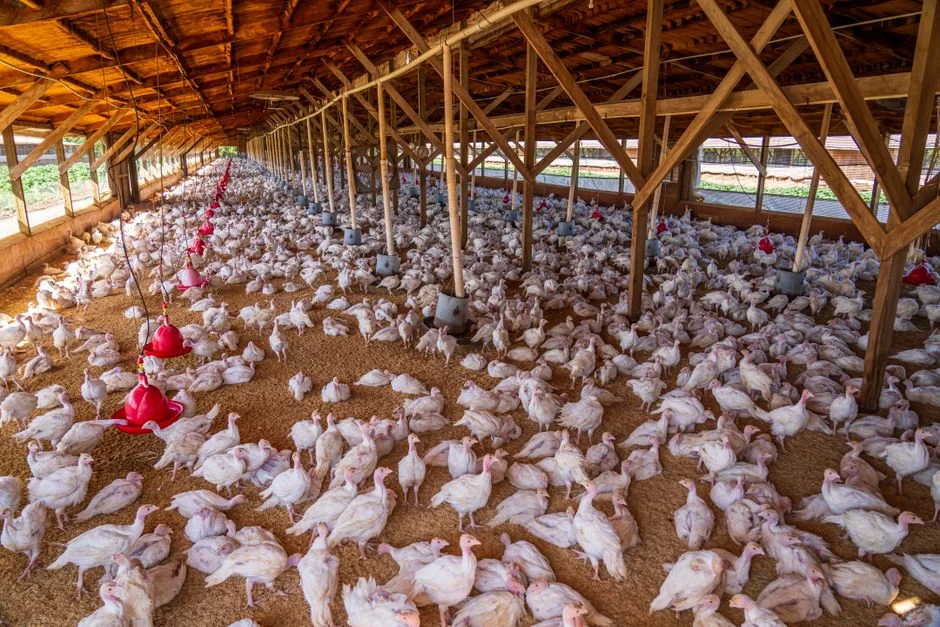
The practical question before choosing any chicken coop water system is how much daily contact you want to have with it. Container waterers — insulated or standard — require refilling on a schedule that scales directly with flock size. They are the right choice if the coop is close to the house and refilling is a natural part of the morning routine.
Automatic and pipeline systems remove that daily task almost entirely. The trade-off is setup time and a dependency on a nearby water source. If the coop is at the far end of the property or running a garden hose to it requires a long run, the installation effort is higher. Matching the system to the actual site conditions, not an idealized version of them, produces better results.
Flock Size Now and Likely Flock Size in a Year
Most backyard flocks grow. Three hens from the feed store becomes six, and six becomes twelve faster than most people plan for. Container systems that work well at current flock size may require replacement within a season or two if the flock expands significantly. A PVC pipeline system sized for fifteen birds is more installation work upfront but does not need to be replaced as the flock grows — additional nipple stations can be added to an existing line.
If there is a realistic chance the flock will double, it is worth building toward that ceiling from the start rather than buying twice.
Cold Climate Planning
For keepers in USDA zones 5 and colder, freeze protection deserves its own line in the purchase decision — not as an afterthought. Insulated containers slow freezing meaningfully in temperatures that hover around freezing, but they do not prevent it in sustained hard freezes. Heated waterers or heat-cable wraps address the deep-cold problem but add electrical dependency.
Pipeline systems require active winterization — draining the line and disconnecting the hose before the first hard freeze, then recommissioning in spring. This is not a burden for an organized keeper, but it is a step that must happen or the system fails. Anyone researching waterers for cold-climate use should factor this into their decision before purchasing.
Installation Effort and Tool Requirements
Container waterers require no tools and no planning beyond finding a good hanging or mounting location. Automatic nipple-and-hose systems require cutting PVC to length, which needs a pipe cutter or a hacksaw and five minutes of measuring. Full pipeline systems benefit from a coop layout sketch before the first cut — nipple spacing and pipe routing relative to roost bars and feeders matters for whether birds actually use all the stations.
None of these systems require contractor-level skills. However, the gap in setup effort between a container and a plumbed pipeline is real, and the pipeline delivers its labor savings over months, not immediately. The return on that upfront work improves the longer the system runs.
Cleaning Frequency and Access
Any waterer that is difficult to clean will be cleaned less often. Algae and biofilm develop quickly in warm weather, and nipple systems are meaningfully harder for birds to contaminate than open troughs. For container systems, confirm before buying that the opening is wide enough to reach inside with a cleaning brush. For pipeline systems, end caps should be removable for periodic flushing.
A system that runs well for four weeks and then sits dirty for two is not serving the flock. Build the cleaning step into the selection process, not as an afterthought after installation.
Frequently Asked Questions
How much water do chickens need per day?
A laying hen drinks roughly half a pint to a full pint of water daily under normal conditions, with consumption rising in warm weather and during peak laying. A flock of ten birds needs at least one to two gallons per day as a floor estimate. Heat, high-protein feed, and laying activity all increase demand, so it is worth sizing any system with some buffer above the baseline.
Can I use a PVC pipeline system through a Vermont winter?
Pipeline systems can function in cold climates, but they require active winterization. Exposed PVC and hose connections are vulnerable to freeze damage, and the line should be drained and disconnected before hard freezes. Some keepers insulate exposed runs and use heat tape on the supply line, but this adds cost and electrical dependency. For sustained deep-cold climates, an insulated container or heated waterer involves less seasonal management.
What is the difference between the two Omlet insulated waterers?
The primary difference is capacity and intended flock size. The Omlet Insulated Chicken Waterer, 1.5 Gallon suits a small flock of four to six birds well, with manageable weight and a refill frequency that fits a small coop routine. The Omlet Insulated Chicken Waterer, 3 Gallon serves a larger flock and extends the time between refills, but weighs significantly more when full. Both use the same insulated construction.
Do automatic waterers work without a pressurized water supply?
Most automatic float-valve systems, including the OverEZ, require a pressurized supply — typically a garden hose connected to a household tap. Gravity-fed automatic systems exist but are less common in the mid-range category. If the coop does not have a convenient hose connection nearby, a large-capacity container waterer is a more practical choice than running a long hose run with pressure drop across the length.
How often should a chicken coop waterer be cleaned?
A practical minimum is a full scrub with hot water every one to two weeks, with a quick rinse and visual check daily. Nipple dispensers stay cleaner than open troughs and can tolerate slightly longer intervals between deep cleans, but they still accumulate biofilm inside the reservoir. In summer, algae develop faster; weekly cleaning is worth the time from May through September. Birds will drink less if the water smells off, which shows up quickly in egg production.
Where to Buy
Omlet Insulated Chicken Waterer, 3 GallonSee Omlet Insulated Chicken Waterer, 3 Ga… on Amazon