Deep Litter Method for Chicken Coops: Guide to Setup

Affiliate disclosure: Some links on this page are affiliate links. If you buy through them we earn a small commission at no extra cost to you. Recommendations are research-driven; we don't claim personal use of every product reviewed. Product prices and availability are accurate as of the date published and are subject to change. Always check Amazon for current pricing before purchasing. Learn more.
Quick Picks
RentACoop Premium Hemp Bedding for Chickens, Rabbits, Horses - 300L (30lbs)
Hemp material provides natural odor control and dust reduction
Buy on AmazonPremium Hemp Bedding for Chicken Coops 285L - 30lbs, 1-Pack
285L capacity reduces frequent coop bedding replacement cycles
Buy on AmazonPremium Chicken Sand 50 lbs (2-Pack) – Dust-Free, Odor-Control Bedding for Chicken Coops, Nesting Boxes, and Runs –
Dust-free formulation reduces respiratory irritants in coop environment
Buy on Amazon| Product | Price Range | Top Strength | Key Weakness | Buy |
|---|---|---|---|---|
| RentACoop Premium Hemp Bedding for Chickens, Rabbits, Horses - 300L (30lbs) also consider | $$ | Hemp material provides natural odor control and dust reduction | Hemp bedding typically costs more than pine or straw alternatives | Buy on Amazon |
| Premium Hemp Bedding for Chicken Coops 285L - 30lbs, 1-Pack also consider | $$ | 285L capacity reduces frequent coop bedding replacement cycles | Large volume may require storage space outside chicken coop | Buy on Amazon |
| Premium Chicken Sand 50 lbs (2-Pack) – Dust-Free, Odor-Control Bedding for Chicken Coops, Nesting Boxes, and Runs – also consider | $$ | Dust-free formulation reduces respiratory irritants in coop environment | Sand bedding requires more frequent replacement than wood shavings | Buy on Amazon |
The deep litter method chicken coop is one of those techniques that sounds faintly suspicious until you understand the science behind it. You’re deliberately building up layered bedding over months, letting microbial activity generate heat and break down waste, rather than scraping everything out every week. Done right, it reduces labor, supports coop warmth in winter, and produces finished compost by spring.
It’s not a set-and-forget system, though. The litter has to stay loose, dry enough to compost rather than rot, and actively managed through regular turning and material additions. Bedding choice matters more than most people realize. For a broader look at what works on the floor of a coop, the Coop bedding & floor guide covers the full range of options.
What Is the Deep Litter Method and How Does It Work
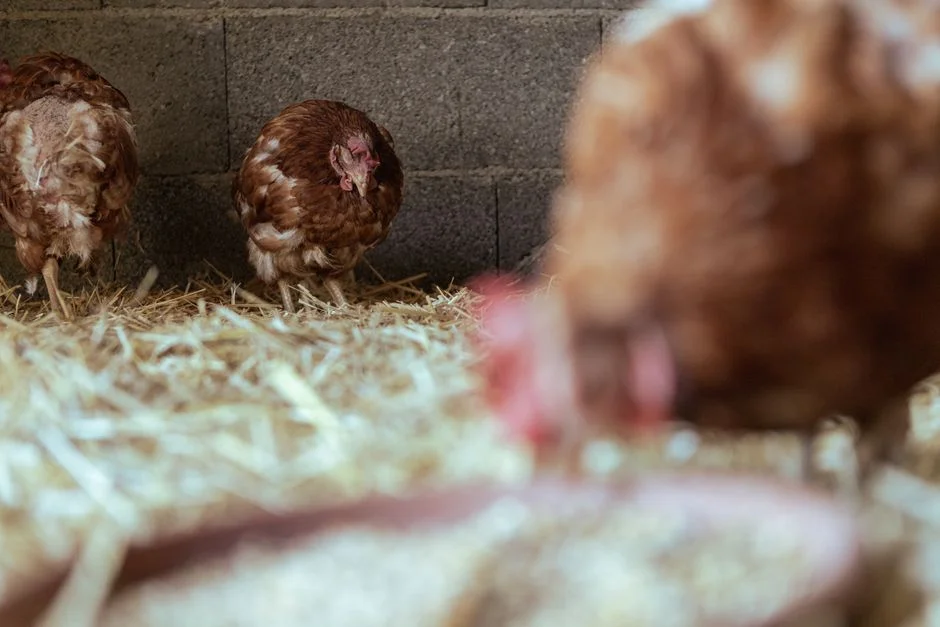
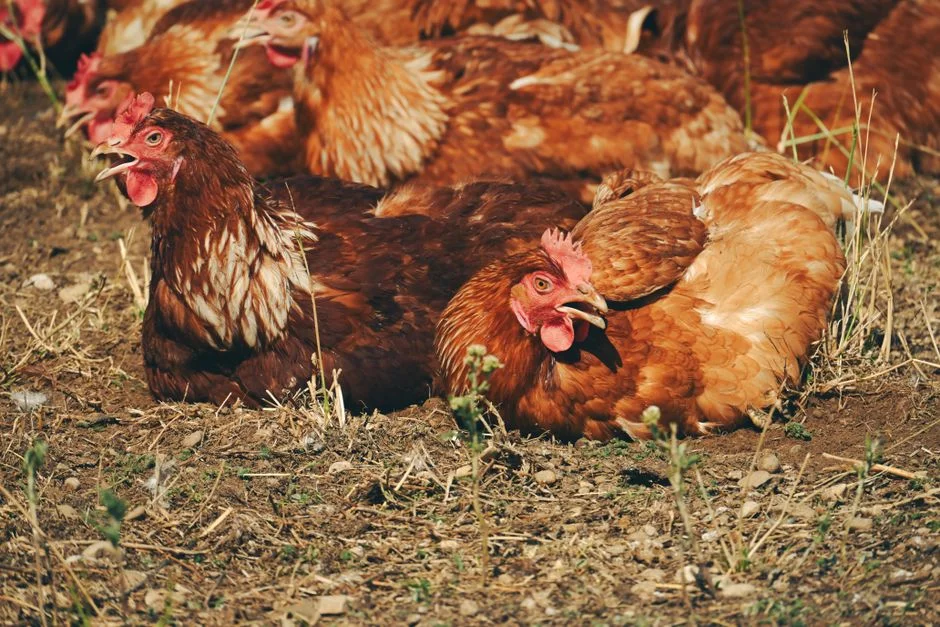
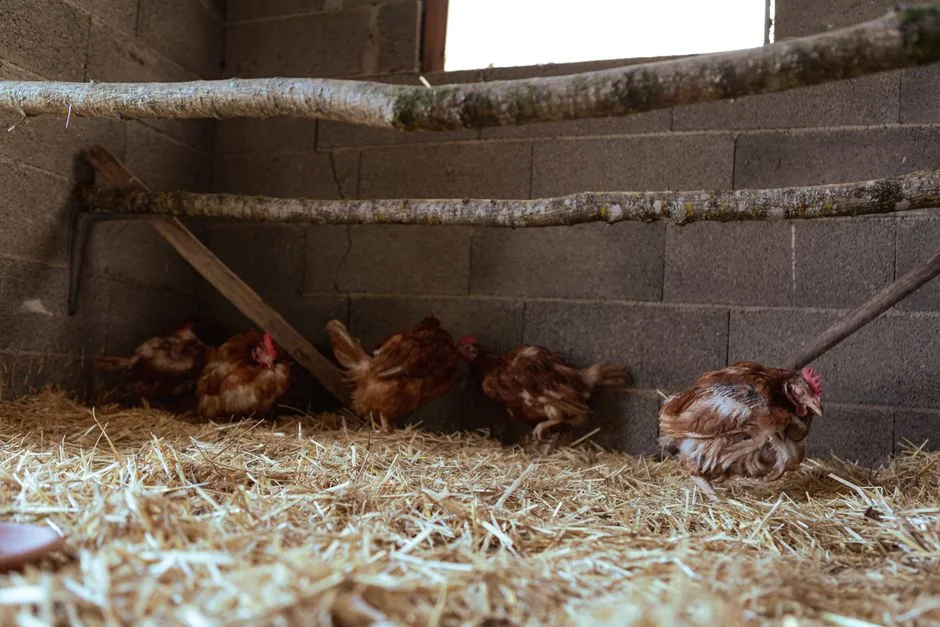
The concept is straightforward. Instead of complete cleanouts every one to two weeks, you start with a thick base layer of bedding, around four to six inches, and add fresh material on top as needed throughout the season. Chickens scratch and turn the material themselves, mixing droppings into the litter where beneficial microbes decompose them. The microbial activity generates a measurable amount of heat, which matters in cold climates. One Vermont winter without it is enough to appreciate any passive heat source in a coop.
Over months, the litter breaks down and compresses. You’re not eliminating cleanouts entirely. You’re spacing them out, typically doing one full cleanout per year in spring, and pulling out what is essentially pre-composted material that can go directly into a garden bed with minimal additional processing.
The Conditions That Make It Work
The method fails in predictable ways. Too much moisture is the main one. If your coop has poor ventilation, a leaking roof, or a wet run attached, the litter will go anaerobic instead of aerobic, meaning it rots instead of composts. The smell difference is unmistakable, and the health risk to your flock is real. Ventilation and a dry floor are non-negotiable prerequisites.
Carbon-to-nitrogen balance is the other factor. Chicken manure is high in nitrogen. The bedding material provides carbon. For active composting to happen, you need enough carbon-rich bedding to offset the nitrogen load from droppings. This is why bedding choice and replenishment schedule matter, and why lightweight, low-carbon materials like straw alone often underperform in this system.
When Deep Litter Is and Isn’t the Right Choice
Deep litter works best in coops with solid floors, good roof coverage, and enough square footage that birds aren’t packed in tight. Overcrowded coops generate too much nitrogen too fast, and the litter can’t keep up. Keepers who maintain this system successfully tend to have no more than roughly four square feet of coop floor per bird, and often more.
It’s less practical for small tractors or mobile coops that move regularly, coops with wire or slatted floors, or anyone in a climate with extreme humidity and no mechanical ventilation. It also doesn’t suit keepers who need the bedding material to stay visually clean between full changes, since the litter will look used even when it’s functioning correctly.
Buying Guide: Choosing Bedding for Deep Litter
Material and Carbon Content
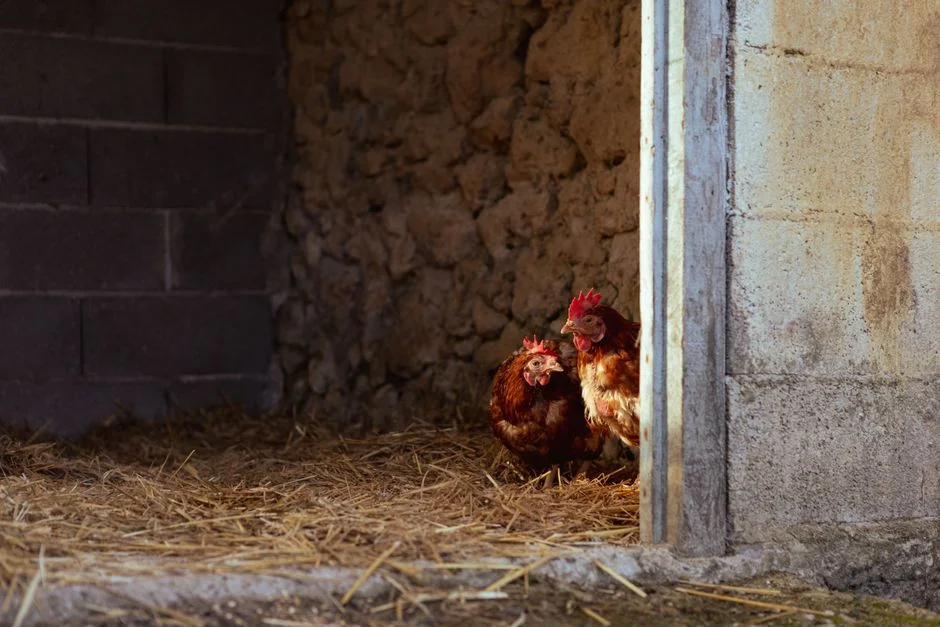
The bedding you choose needs to hold structure through months of chicken traffic and moisture exposure without compacting into a solid mat. Pine shavings have been the default for decades because they’re available and relatively cheap, but hemp and other denser materials are gaining ground among experienced keepers. For a full comparison of material types, the chicken coop bedding guide covers the specifics of how each holds up under different conditions.
Hemp bedding in particular has drawn consistent attention for deep litter use because it resists compaction longer than pine shavings and has a naturally low moisture content. Higher carbon density per volume means you add new material less frequently. That matters when you’re managing a litter bed that needs to stay actively composting.
Moisture Management and Absorbency
Absorbency is the single most important functional spec for deep litter bedding. Material that pulls moisture away from the surface quickly keeps the litter aerobic and prevents the ammonia buildup that signals anaerobic breakdown. Spec sheets for hemp-based bedding typically show higher absorbency rates compared to pine shavings or straw, which aligns with what long-term keepers using the material report.
Sand is a different category entirely. It doesn’t compost and doesn’t contribute carbon, so it functions differently in a deep litter context. It stays loose, drains well, and is easy to spot-clean, but it works as a floor substrate or run cover rather than a composting litter layer. Keepers who use sand often do so in runs or under roosts where wet droppings concentrate.
Dust and Respiratory Risk
Chickens are sensitive to airborne particulates. Dusty bedding in a closed coop during winter, when ventilation is reduced, creates respiratory stress. This shows up as watery eyes, rattling breathing, and reduced laying. It’s worth checking whether the bedding you’re buying for the coop bedding & floor system is marketed as low-dust or dust-free, and whether owner reviews back that claim up in practice.
Hemp bedding generally produces less dust than standard pine shavings, which is one reason it’s recommended by keepers managing birds with a history of respiratory issues. Sand, when formulated as chicken-specific product rather than construction sand, is also typically dust-controlled.
Volume and Replenishment Cadence
Deep litter requires more material upfront than a conventional bedding system, because the base layer needs to be substantial from the start. Buying in smaller quantities gets expensive fast and creates a replenishment schedule that’s easy to fall behind on. Keepers running the method through a full winter typically find that higher-volume bags reduce both cost per use and the number of times they’re hauling product into the coop in January.
For coops housing six to twelve birds, a single large bag of hemp bedding usually covers the initial base layer, with partial replenishments needed every few weeks depending on flock size and season.
Compostability After Use
One of the practical payoffs of deep litter is the end product. Spent litter, if the system has been running correctly, is partially composted material that breaks down quickly when added to a garden bed. Bedding materials that are fully biodegradable and compostable, including hemp and wood shavings, feed into this cycle cleanly. Sand does not compost and needs to be disposed of separately or reused in outdoor run areas.
Top Picks for Deep Litter Bedding
RentACoop Premium Hemp Bedding for Chickens, Rabbits, Horses - 300L (30lbs)
The RentACoop Premium Hemp Bedding for Chickens, Rabbits, Horses - 300L (30lbs) is a mid-range hemp option with a 300L compressed volume, which translates to a meaningful amount of coverage for a standard backyard coop setup. Hemp’s natural odor control properties come from the material’s ability to absorb moisture quickly and hold it without releasing ammonia at the surface. Spec data from hemp bedding producers consistently shows higher liquid absorption capacity compared to pine shavings by volume.
Long-term owners running this product through a full litter cycle report that it stays loose and workable longer than pine shavings, which tend to clump and mat under regular chicken traffic. For a deep litter system, that structural integrity through months of use is the key functional advantage. The 30-pound bag weight means it’s manageable to carry and store, though keepers with larger flocks, say twelve or more birds, will go through it faster and should plan replenishment accordingly.
The main tradeoff is cost. Hemp bedding at this tier runs more expensive per bag than pine shavings or straw. Whether that’s worth it depends on how you weigh the reduced replenishment frequency and odor management against the price difference. For keepers who’ve dealt with pine shavings compacting under a heavy flock, the consensus among owners who’ve run hemp through a winter is fairly consistent: the material holds up better.
Check current price on Amazon.
Premium Hemp Bedding for Chicken Coops 285L - 30lbs, 1-Pack
The Premium Hemp Bedding for Chicken Coops 285L - 30lbs, 1-Pack comes in at a slightly smaller compressed volume than the RentACoop option, 285L versus 300L, but is similarly positioned for backyard flock use. At 30 pounds, it ships as a single pack that’s practical for one-time delivery without requiring bulk pallet orders. Verified buyers note that the material is fully biodegradable and compostable after use, which aligns with the end-goal of a deep litter system: spent bedding that goes straight into the garden rather than the trash.
The hemp construction gives it the same baseline advantages as other hemp products in this category: lower dust production, higher absorbency, and slower compaction compared to wood-based alternatives. Field reports from backyard chicken communities suggest it performs consistently for coops in the four-to-ten bird range when used as a primary litter material. One practical note: at 285L of compressed volume, it expands considerably once opened. Storage space before and after use is worth thinking through, especially if your coop storage is limited.
For keepers who are trying the deep litter method for the first time, a single pack at this volume is a reasonable starting quantity. It provides enough material for a solid base layer and some replenishment, without committing to a larger bulk order before you’ve confirmed the system is working in your specific coop configuration.
Check current price on Amazon.
Premium Chicken Sand 50 lbs (2-Pack) – Dust-Free, Odor-Control Bedding for Chicken Coops, Nesting Boxes, and Runs
The Premium Chicken Sand 50 lbs (2-Pack) is not a deep litter composting material, and it’s worth being direct about that upfront. Sand doesn’t break down, doesn’t contribute carbon, and won’t produce finished compost at the end of a season. What it does, when used in runs, under roosts, or in nesting boxes, is drain well, stay loose, and allow easy spot-cleaning. That’s a different job, and it’s one sand does reliably.
The dust-free formulation is the main spec claim worth attention. Construction sand and play sand can carry fine particulates that create respiratory problems in an enclosed coop. Chicken-specific sand products are processed to reduce that risk, which verified buyers note is noticeable in practice. The two-pack format totaling 100 pounds covers a typical run area or roost zone without requiring a separate reorder immediately.
The physical handling reality deserves a mention. Fifty-pound bags are heavy, and two of them arriving at once requires either a cart or a plan. Keepers with back issues or solo setups should factor that in. For the right application, specifically dry runs or nesting box substrate, the odor control and dust reduction specs make this a practical mid-range option. It’s just not the material you’re building a composting litter bed from.
Check current price on Amazon.
Closing Thoughts
The deep litter method is labor-efficient and genuinely useful in cold climates, but it requires the right setup and the right materials from the start. Bedding that compacts early, holds surface moisture, or generates excessive dust undermines the system faster than most people expect. Hemp-based options have earned their reputation in this context based on what owners consistently report after running them through a full cycle. For anyone building or refining a bedding plan, the coop bedding & floor resource covers the full range of substrate options across coop types and climates.
Frequently Asked Questions
How often do you need to add new bedding with the deep litter method?
Most keepers add a thin layer of fresh bedding every one to two weeks, depending on flock size and season. The goal is to keep the surface dry and the carbon-to-nitrogen ratio balanced enough for active composting. In winter, when birds spend more time inside, you’ll likely need to add material more frequently. Larger flocks generate more nitrogen and require more regular carbon replenishment to keep the system aerobic.
Can you use sand for the deep litter method?
Sand does not work as a deep litter composting material. It doesn’t break down, doesn’t contribute carbon, and won’t produce compost at the end of the season. Sand is better suited for runs, nesting boxes, or under roost bars where easy spot-cleaning and drainage matter more than composting. If you want the composting benefits of deep litter, use a carbon-rich material like hemp bedding or wood shavings as your primary substrate.
What bedding holds up longest in a deep litter system?
Hemp bedding consistently outperforms pine shavings and straw in deep litter applications based on long-term keeper reports and material specs. Its lower moisture content, higher absorbency rate, and resistance to compaction mean it maintains the loose, aerated structure that composting requires for longer periods. Pine shavings work but mat down faster under heavy flock traffic. Straw alone tends to compress into dense layers that block airflow, which pushes the litter toward anaerobic breakdown.
Is the deep litter method safe for chickens in terms of ammonia levels?
A properly managed deep litter system produces very little ammonia because the aerobic composting process converts nitrogen compounds efficiently. Problems arise when the litter gets too wet or too compacted and shifts to anaerobic breakdown. If you’re smelling strong ammonia, the system has gone wrong and needs immediate attention. Ventilation, dry conditions, and regular turning are what keep ammonia levels low.
How do you do a final cleanout after a deep litter season?
At the end of the season, typically spring, you remove all accumulated litter down to the bare floor. The material at the bottom will be dark, compressed, and partially composted. It can go directly into a compost pile or garden beds, where it will continue to break down quickly. After removing all litter, clean and dry the floor thoroughly before starting a new base layer.
Where to Buy
RentACoop Premium Hemp Bedding for Chickens, Rabbits, Horses - 300L (30lbs)See RentACoop Premium Hemp Bedding for Ch… on Amazon