Egg Incubator Buyer's Guide: What to Know Before Buying

Affiliate disclosure: Some links on this page are affiliate links. If you buy through them we earn a small commission at no extra cost to you. Recommendations are research-driven; we don't claim personal use of every product reviewed. Product prices and availability are accurate as of the date published and are subject to change. Always check Amazon for current pricing before purchasing. Learn more.
Quick Picks
Brinsea Ovation 56 EX Egg Incubator, Automatic Turning & Humidity Control Not Connected
Humidity control system enables precise egg development monitoring
Buy on AmazonLittle Giant White Miller Manufacturing Company 9300 Digital Still Air Incubator
Still air design offers simplicity without moving parts to maintain
Buy on AmazonHarris Farms Nurture Right Egg Incubator with Auto Turner, Holds 22 Eggs
Auto turner mechanism reduces manual egg rotation labor
Buy on Amazon| Product | Price Range | Top Strength | Key Weakness | Buy |
|---|---|---|---|---|
| Brinsea Ovation 56 EX Egg Incubator, Automatic Turning & Humidity Control Not Connected best overall | $$ | Humidity control system enables precise egg development monitoring | Not connected feature limits remote monitoring and alerts | Buy on Amazon |
| Little Giant White Miller Manufacturing Company 9300 Digital Still Air Incubator also consider | $$ | Still air design offers simplicity without moving parts to maintain | Still air circulation requires more frequent manual turning of eggs | Buy on Amazon |
| Harris Farms Nurture Right Egg Incubator with Auto Turner, Holds 22 Eggs also consider | $$ | Auto turner mechanism reduces manual egg rotation labor | Smaller capacity limits commercial or large flock applications | Buy on Amazon |
| 18 Egg Incubators for Hatching Eggs, Automatic Egg Turning and Humidity Control Incubator for Hatch Chicken Duck Quail also consider | $$ | 18-egg capacity suits small-scale backyard hatching operations well | Smaller capacity limits commercial or large-scale breeding projects | Buy on Amazon |
Getting chicks from eggs you’ve set yourself is a different kind of satisfaction — and a different kind of responsibility. The right egg incubator makes the difference between a respectable hatch rate and a frustrating one, whether you’re hatching a dozen backyard layers or your first clutch of quail. Capacity, turning method, and humidity management are the variables that matter most, and they don’t all point in the same direction for every keeper.
Understanding the trade-offs before you buy saves a failed hatch. This guide covers four incubators across a range of feature sets and build quality, from a no-frills digital still-air unit to a fully automated humidity-controlled cabinet — with honest notes on where each one earns its place and where it falls short.
What to Look For in an Egg Incubator
Temperature Stability
Temperature is the single most critical variable in incubation. Chicken eggs incubate at 99.5°F in a forced-air unit and roughly 101–102°F in a still-air unit — and the margin for sustained deviation is narrow. A swing of two or three degrees held for hours will reduce hatch rates; sustained highs above 104°F are fatal to developing embryos.
What matters in practice is how well a unit holds temperature through ambient changes — a warm afternoon, a cold night, a draft when someone opens the garage door. Budget units often rely on simpler thermostats with wider tolerance bands. Named-brand manufacturers publish accuracy specs; generic units rarely do. Owner reports across multiple hatches tell you more than a single measurement.
Still-air models run warmer at the top of the egg cavity and cooler at the bottom, which is why digital readouts matter more in those units — you’re managing a gradient, not a uniform environment. Forced-air units circulate air with a fan, producing more even temperatures throughout the chamber and generally forgiving more ambient variation.
Egg Turning
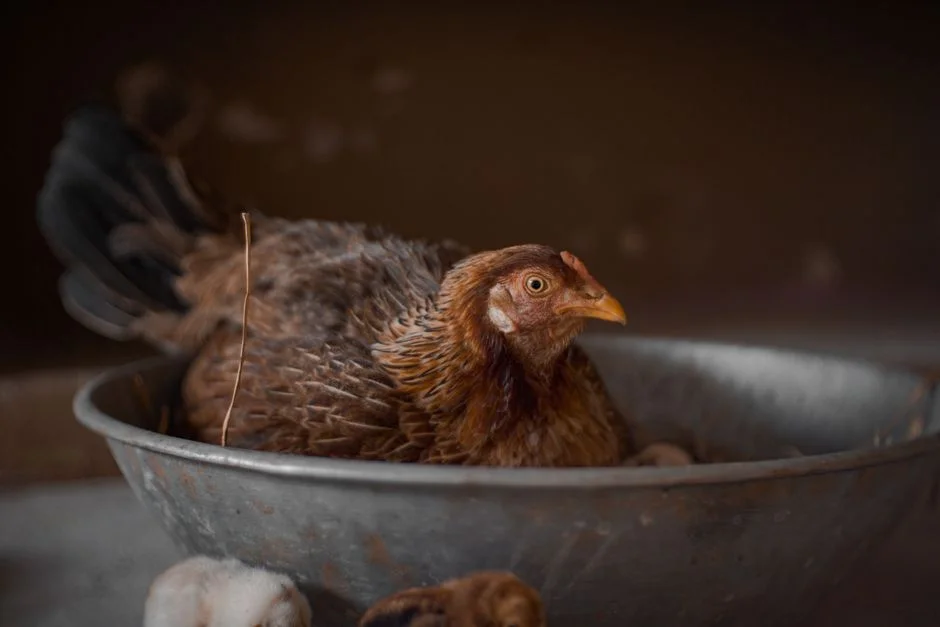
Eggs in a broody hen’s nest get turned many times a day. The embryo must not stick to the shell membrane, and turning prevents that. Manual turning — at minimum three times daily, ideally more — is workable but requires genuine commitment over a 21-day cycle. Miss a day mid-incubation and hatch rates drop.
Automatic turners remove that variable. They rotate eggs slowly on a consistent schedule, typically every hour or two, without any intervention. The trade-off is mechanical complexity: one more component that can fail. Quality auto-turning mechanisms from established manufacturers are reliable; cheap implementations are where failures cluster. For an automatic egg incubator to be worth the premium, the turning mechanism needs to be the dependable kind.
The turner stops three days before lockdown — day 18 for chickens — when eggs are moved to a flat surface for the final humid hatch. A good egg turner for incubator design makes egg removal straightforward, not an awkward fumble.
Humidity Management
Humidity affects how much moisture an egg loses during incubation. Lose too much, and the air cell grows too large; lose too little, and chicks struggle to pip. Target ranges are approximately 45–55% relative humidity through incubation and 65–70% at lockdown, though these vary by egg type and local ambient conditions.
Manual humidity control means adding water to a reservoir and monitoring with a hygrometer — accurate, but it requires attention. Automatic humidity systems measure and adjust continuously, which reduces daily management and produces more consistent results across a hatch. For those running multiple species with different humidity requirements, automated control is a meaningful advantage.
Before settling on a model, explore the full range of incubators available for your target species — requirements for duck eggs, quail, and pheasant differ enough from chicken that the right incubator for one keeper isn’t necessarily right for another.
Capacity and Scale
Capacity is the most visible spec and often the least useful starting point. A 56-egg incubator sitting half-empty is not a better outcome than a 22-egg unit run full. Match capacity to your actual production: how many eggs your flock produces in a week, how many chicks you can brood and house, and whether you’re hatching multiple breeds or species simultaneously.
Small egg incubators in the 18–22 egg range are the right fit for most backyard flocks. Larger units make sense when you’re selling chicks, replenishing a flock after losses, or hatching for multiple keepers. Bigger also means more eggs at risk if something goes wrong — a calibration error in a 56-egg incubator is a more expensive mistake than in a 22-egg unit.
Top Picks
Brinsea Ovation 56 EX Egg Incubator
The Brinsea Ovation 56 EX is the most capable unit in this lineup and the right answer for keepers who’ve outgrown smaller incubators or who need consistent results across high-value hatches. Brinsea’s manufacturing reputation among serious poultry keepers is well-documented — the brand appears consistently in discussions among hobbyists and small-scale breeders who’ve run multiple units over multiple seasons. More information on Brinsea’s incubator line is available in the Brinsea egg incubator guide.
The 56-egg capacity suits a keeper who’s hatching regularly for flock replenishment, selling chicks, or running mixed-species batches. The integrated humidity control system is the standout feature here. Owner reports consistently note that hands-off humidity management across a full 21-day cycle produces more uniform air-cell development than manual reservoir management allows — particularly for keepers in climates with variable ambient humidity.
The “not connected” designation is worth understanding. This model lacks Wi-Fi or app integration, which means no remote alerts if temperature or humidity drift while you’re away from home. For a keeper who’s present most of the day, that’s a minor limitation. For someone managing incubation alongside a full-time job with variable hours, it’s worth weighing against the connected alternatives in the Brinsea range. Automatic turning is included — no manual intervention required through incubation.
Check current price on Amazon.
Little Giant 9300 Digital Still Air Incubator
The Little Giant 9300 is the stripped-down option in this group — no fan, no auto-turner, no humidity automation — and that simplicity is either its strength or its weakness depending on who’s using it. Still-air units have no moving parts to fail. They’re also less forgiving of placement errors and ambient variation, and they require the keeper to manage turning manually.
Little Giant’s brand history in incubation is long. The units are widely available, parts are accessible, and the owner community is large enough that troubleshooting resources are easy to find. The digital temperature display is a genuine improvement over the older analog versions — accurate readout matters in a still-air design where the temperature gradient across the egg cavity is real and the margin for error is tighter.
This is a workable first incubator for someone testing whether hatching is something they want to pursue, or a backup unit for an experienced keeper who needs something reliable and simple. It is not the right choice for anyone unwilling to commit to manual turning three or more times daily. The results that experienced keepers report from the 9300 are solid — but those results come from disciplined management, not the incubator doing the work.
Check current price on Amazon.
Harris Farms Nurture Right 360 Incubator
The Harris Farms Nurture Right 360 sits in a practical middle position: 22-egg capacity, automatic turning, and a design oriented toward the backyard keeper who wants reliable automation without the cost and complexity of a larger professional unit. For a flock of six to ten hens producing eggs regularly, 22 slots is a realistic working batch.
The auto-turner is the feature that justifies the step up from a manual unit. Owner reports on the Nurture Right’s turning mechanism are consistently positive — eggs rotate reliably through the incubation cycle without the keeper having to schedule their day around turning intervals. That matters most during weeks two and three, when the commitment to manual turning starts to feel demanding. The incubator with automatic egg turner guide covers the broader category if you’re comparing turning mechanisms across brands.
The capacity ceiling is the honest limitation. Harris Farms positions this as a hobby and backyard unit, and that’s exactly what it is. Keepers looking to hatch more than one batch’s worth of eggs at a time, or who want to run mixed clutches of different species simultaneously, will feel the constraint. Within its intended use — a regular backyard hatching cycle for a small flock — the build quality and feature set are well-matched to the price band.
Check current price on Amazon.
18 Egg Incubator with Automatic Turning and Humidity Control
The 18 Egg Incubator is the budget-tier entry in this lineup, and it’s worth naming that plainly. This is a generic unit from an unestablished brand — no manufacturer track record, limited warranty infrastructure, and build quality that owner reports place clearly below the named-brand options above. It is not equivalent to the Brinsea or Harris Farms units in materials, tolerances, or long-term reliability.
That said, the feature set listed on the spec sheet is legitimate: automatic turning, humidity control, and compatibility with chicken, duck, and quail eggs. For a first-time keeper who wants to try incubation before committing to a named-brand unit, or for someone hatching low-stakes mixed clutches where a failure isn’t a financial or emotional catastrophe, the 18-egg format is workable. Owner reviews show a wide range of outcomes — some keepers report solid hatch rates across multiple runs; others report calibration drift and turner failures within the first season.
The honest framing is this: the price band savings are real, and so is the risk. If you’re hatching valuable eggs — heritage breeds, fertile eggs from a breeder, waterfowl with long incubation cycles — spend more on a unit with a verifiable track record. If you’re hatching a box of mixed barnyard eggs to see if the process works for you, the 18-egg budget unit is a reasonable starting point.
Check current price on Amazon.
Buying Guide
Matching the Unit to Your Flock Size
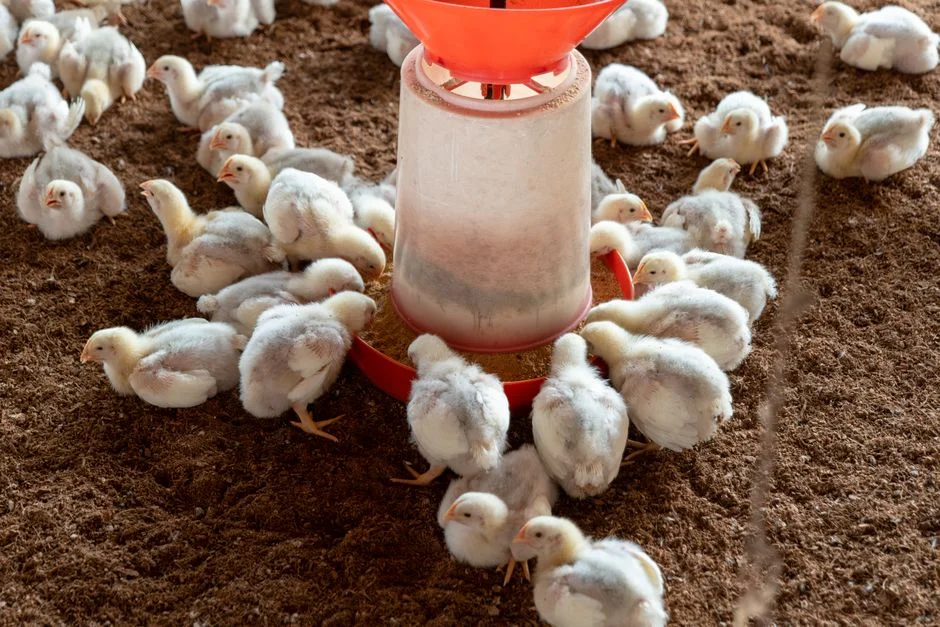
The most common incubator mistake is buying for theoretical future use rather than actual current production. A keeper with eight hens realistically collects enough eggs for a 22-egg batch over two to three weeks — and that’s the ceiling. Running a 56-egg unit at one-third capacity isn’t a problem mechanically, but it doesn’t justify the cost difference, and it increases the absolute number of eggs at risk if something goes wrong with calibration or power.
Start with your actual weekly egg collection rate. Multiply by how many weeks you want to accumulate before setting. That number is your realistic capacity requirement. Match the incubator to that number, not to a hypothetical flock expansion.
Still Air Versus Forced Air
Still-air incubators are simpler and cheaper. Forced-air units — which use a fan to circulate air — produce more uniform temperature distribution and are generally more forgiving of ambient variation. The practical consequence is that forced-air units are more reliable for keepers who can’t control their incubation environment closely.
A still-air unit placed on a workbench in a temperature-stable room with consistent daily management can produce excellent results. The same unit in an outbuilding with temperature swings or near a heat vent will underperform. Forced-air units narrow that gap. For most backyard keepers, forced air is the better default — the management overhead of compensating for still-air limitations adds up over a 21-day cycle.
Auto-Turner: Worth the Complexity?
Manual turning is not difficult — it’s the consistency requirement that creates problems. Three turns daily means one before work, one at midday, one in the evening. Miss the midday turn several days in a row and hatch rates decline. The mechanical auto-turner removes a scheduling burden that, in practice, most keepers underestimate at the outset.
The counterargument is mechanical failure risk. Auto-turners have moving parts, and cheap auto-turners fail more often than quality ones. The approach that holds up in owner experience: buy the quality auto-turner once rather than replacing a failed budget turner mid-hatch. The Nurture Right 360 and the Brinsea Ovation both have established turning mechanisms with documented reliability; the generic 18-egg unit’s turner is less predictable. For a deeper look at the category, the automatic egg incubator guide covers what to evaluate in a turning mechanism before you buy.
Humidity Control: Manual Management vs. Automated Systems
Manual humidity management is accurate when the keeper is attentive. Adding water to a reservoir, checking a hygrometer twice daily, and adjusting for lockdown is a straightforward process — but it’s one more variable requiring active management across three weeks. Automated humidity systems measure continuously and adjust the environment in real time, which produces more consistent air-cell development across a hatch.
The advantage of automation compounds with scale. In a 22-egg unit, manual humidity management is manageable. In a 56-egg unit running high-value eggs, the cost of a missed adjustment is larger. Explore the range of incubators with integrated humidity management if you’re planning to hatch regularly — the ongoing time savings justify the cost difference for keepers running multiple hatches per year.
Warranty, Support, and Parts Availability
A named-brand incubator from an established manufacturer means documented warranty terms, accessible replacement parts, and an owner community large enough to produce real troubleshooting resources. Brinsea and Little Giant both have long track records; Harris Farms has established retail distribution. Generic brands offer none of these assurances.
Warranty terms matter most when something fails during a hatch — which is when you’re least positioned to wait for a replacement. Before buying any unit, confirm the warranty period, the support contact method, and whether replacement parts (heating elements, turners, humidity probes) are sold separately. For a unit you intend to run multiple times per year, parts availability is a long-term ownership question, not just a purchase-day consideration.
Related Guides
- Automatic Egg Incubator
- Egg Turner For Incubator
- Incubator With Automatic Egg Turner
- Small Egg Incubator
- Brinsea Egg Incubator
Frequently Asked Questions
How many eggs should my first incubator hold?
For most backyard keepers starting out, 18–22 eggs is the right range. It’s enough to produce a meaningful batch of chicks from a small flock’s weekly production without risking a large number of eggs on an unfamiliar setup. If your hatch rate is lower than expected on the first run, the loss is manageable — and you’ll have learned what to adjust before scaling up.
What’s the difference between a still-air and forced-air incubator?
A forced-air incubator uses a fan to circulate warm air evenly throughout the chamber. A still-air unit relies on natural heat stratification, which creates a temperature gradient from top to bottom. Forced-air units are more forgiving of ambient variation and generally produce more consistent hatch rates with less active management. Still-air units are simpler mechanically but require more careful placement and more attentive monitoring throughout the cycle.
Is the Nurture Right 360 better than the Little Giant 9300 for a first hatch?
For most first-time keepers, the Harris Farms Nurture Right 360 is the stronger starting point. The auto-turner removes the daily turning commitment that catches many beginners off guard, and the 22-egg capacity is well-matched to backyard flock production. The Little Giant 9300 is a capable unit but rewards experienced management — it’s less forgiving of the attention lapses that happen when a keeper is learning the process for the first time.
Do I need automatic humidity control, or is manual monitoring enough?
Manual humidity monitoring — checking a hygrometer and adding water to the reservoir as needed — is workable for most backyard hatches. Automatic humidity control reduces daily management and produces more consistent air-cell development across a hatch, which matters most for high-value eggs or for keepers running multiple hatches per year. For occasional hatching of standard backyard breeds, manual management is sufficient if the keeper stays consistent through lockdown.
When should I stop the egg turner?
Stop turning on day 18 for chicken eggs — three days before the expected hatch date of day 21. At lockdown, eggs move from the turning tray to a flat, non-slip surface inside the incubator, and humidity increases to 65–70% to support pipping. Turning after day 18 can interfere with the chick’s positioning for hatch. Most auto-turners are simply switched off or removed at lockdown; the egg turner for incubator guide covers how different turner designs handle removal.
Where to Buy
Brinsea Ovation 56 EX Egg Incubator, Automatic Turning & Humidity Control Not ConnectedSee Brinsea Ovation 56 EX Egg Incubator, … on Amazon