Walk-In Chicken Coop Buyer's Guide: What to Know

Affiliate disclosure: Some links on this page are affiliate links. If you buy through them we earn a small commission at no extra cost to you. Recommendations are research-driven; we don't claim personal use of every product reviewed. Product prices and availability are accurate as of the date published and are subject to change. Always check Amazon for current pricing before purchasing. Learn more.
Quick Picks
VEVOR Metal Chicken Coop, 6.56x6.56x6.56ft Large Walk-in Chicken Run with Cover, Spire Roof Hen House Enclosure with
Metal construction resists rust and extends outdoor durability
Buy on AmazonLarge Walk-in Chicken Coop with Chicken Run, Galvanized Poultry Enclosure with Waterproof Anti-UV Cover and Security
Anti-UV waterproof cover provides weather protection for outdoor use
Buy on AmazonChicken Coop for10-12 Chickens, Large Wooden Chickens Run, Gray
Wooden construction offers natural aesthetic for backyard settings
Buy on Amazon| Product | Price Range | Top Strength | Key Weakness | Buy |
|---|---|---|---|---|
| VEVOR Metal Chicken Coop, 6.56x6.56x6.56ft Large Walk-in Chicken Run with Cover, Spire Roof Hen House Enclosure with best overall | $$ | Metal construction resists rust and extends outdoor durability | Metal frame may require assembly and periodic maintenance | Buy on Amazon |
| Large Walk-in Chicken Coop with Chicken Run, Galvanized Poultry Enclosure with Waterproof Anti-UV Cover and Security also consider | $$ | Anti-UV waterproof cover provides weather protection for outdoor use | Stationary structure limits flexibility compared to mobile chicken tractors | Buy on Amazon |
| Chicken Coop for10-12 Chickens, Large Wooden Chickens Run, Gray also consider | $$ | Wooden construction offers natural aesthetic for backyard settings | Wooden materials require regular maintenance and weatherproofing | Buy on Amazon |
| CHIKENCOOP 9.8 x 6.5 x 6.5 ft Metal Chicken Coop, Chicken Run with Cover also consider | $$ | Metal construction provides durability against predators and weather | Metal coop requires regular maintenance to prevent rust over time | Buy on Amazon |
| CAMMOO Walk in Chicken Coop, 13.1x9.8x6.6ft Chicken Run for Yard with Cover also consider | $$ | Walk-in design allows direct access to chickens without crouching or bending | Large footprint requires significant yard space for placement | Buy on Amazon |
Choosing a walk-in chicken coop is one of the more consequential decisions a backyard keeper makes. The size, material, and predator resistance you pick now will determine how your setup handles stress — weather, a growing flock, a determined fox. This piece covers chicken coops across the walk-in format specifically, with a focus on what separates a structure that holds up from one that doesn’t.
The flat-pack coop I started with didn’t make it through its first Vermont winter. What followed that spring was worse — two birds lost to a fox. Both failures traced back to the same root: choosing what was easy to find over what was actually built for the job. The picks below come from specs, owner field reports, and that particular kind of hard-won clarity.
What to Look For in a Walk-In Chicken Coop
Frame Material and Weather Resistance
The frame is the single factor that determines longevity more than any other. Galvanized or powder-coated steel holds up against rain, snow, and temperature swings better than raw metal or wood alone. Wood is visually appealing and blends into a backyard naturally, but untreated or poorly sealed lumber absorbs moisture, warps, and eventually rots — especially in climates that cycle between wet and dry seasons.
Owner reports from cold-weather regions consistently flag wood construction as the higher-maintenance choice. If you’re in a place that gets real winters, metal is the more defensible option on durability grounds. For milder climates, a well-sealed wood structure performs well and doesn’t carry the same corrosion trade-offs.
Predator Resistance
Predator protection is not optional. Foxes, raccoons, and hawks are patient and persistent — a coop that resists them 99% of the time is still a coop that eventually fails. What that means in practice: welded wire mesh rather than chicken wire (chicken wire keeps chickens in, not predators out), secure latching mechanisms, and a covered top. An open-top run is an invitation.
Hardware cloth — the welded variety — is the material that owner communities consistently cite as the meaningful upgrade from standard mesh. Where it’s been incorporated into frame designs, verified buyers note the difference in peace of mind and incident rate. A cover over the run is a non-negotiable for any stationary structure where birds are left unsupervised.
Size and Flock Capacity
Walk-in coops are sold by footprint and nominal bird count, and the two figures require independent scrutiny. The commonly cited rule is four square feet of coop space per bird and ten square feet of run space per bird — but that’s a floor, not a target. Crowded birds are stressed birds, and stressed birds are more susceptible to illness and pecking behavior.
If your flock is likely to grow, buy for where you’re going, not where you are. A coop that comfortably holds eight today can become undersized by next spring if you hatch chicks or add birds from a neighbor’s flock. Sizing up is almost always the right call, provided the yard space supports it. The full chicken coop overview is a useful reference point for thinking through space calculations before committing to a footprint.
Cover and Weather Protection
A weatherproof cover over the run does two jobs: it keeps rain, snow, and sun off your birds, and it closes the top of the enclosure against aerial predators. Not all covers are equal — look for UV-resistant material rated for outdoor use year-round. Covers that degrade or sag after one season are a recurring complaint in owner reviews and indicate inadequate material specification.
The cover attachment method matters too. Covers that clip or strap on independently tend to hold better in wind than covers simply draped over the frame. In regions with heavy snow load, the spire or peaked roof design sheds accumulation better than a flat panel.
Assembly and Ongoing Maintenance
Most walk-in coops in this format require assembly, and the complexity varies considerably. Owner reports surface two consistent problems: unclear instructions and hardware that strips easily during initial setup. Coops where the hardware is metric but the instructions reference imperial measurements, or vice versa, generate disproportionate complaints.
Once assembled, the maintenance burden splits by material. Metal frames need periodic inspection for surface rust at joints and connection points. Wood frames need seasonal sealing or staining. Neither is particularly demanding, but skipping it — especially on wood — shortens the structure’s useful life noticeably.
Top Picks
VEVOR Metal Chicken Coop, 6.56x6.56x6.56ft
The VEVOR Metal Chicken Coop is a mid-range metal walk-in structure with a spire roof — the peaked design that sheds rain and snow more effectively than a flat-panel cover. At 6.56 feet on each dimension, it’s genuinely walk-in without crouching, which matters when you’re inside daily for feeding, watering, and egg collection.
Owner feedback is consistent on the build quality of the frame itself: the metal resists surface weathering better than comparable flat-pack alternatives at this size. The spire roof with integrated cover is a practical all-in-one feature that avoids the secondary purchase of a separate weatherproof panel. Assembly is reported as manageable for one or two people, with the most common friction point being organizing the hardware before starting.
The fixed 6.56x6.56 footprint suits a flock in the six-to-eight-bird range. If your flock is already at ten or trending that direction, this is the right category but the wrong size — look at the larger options below. For a flock that’s stable and in that mid-size range, the frame durability and integrated roof make this a sound choice.
Check current price on Amazon.
Large Walk-in Chicken Coop with Chicken Run
The Large Walk-in Chicken Coop with Chicken Run is built around galvanized construction with an anti-UV, waterproof cover — a combination that addresses the two most common failure modes for outdoor enclosures: corrosion and cover degradation. Galvanized steel extends the functional lifespan of the frame significantly over raw or powder-coated alternatives in wet climates.
The walk-in headroom is a practical differentiator here. Verified buyers specifically note the ability to stand fully upright inside the run as a quality-of-life improvement for daily maintenance — not a trivial point if you’re in there twice a day across a Vermont January. The cover holds up to UV exposure and rain across seasons without the sagging that plagues cheaper alternatives.
The trade-off is footprint. This is a stationary structure, and it needs dedicated yard space. It doesn’t move between grazing areas the way a tractor does. If your yard has a fixed location where a run can live year-round, that’s not a limitation. If you’re working with space that requires rotation, a mobile setup is the more flexible answer.
Check current price on Amazon.
Chicken Coop for 10–12 Chickens, Large Wooden Chickens Run
Wood construction is the minority vote in this roundup, and that’s not accidental. The Chicken Coop for 10–12 Chickens is the pick for buyers who prioritize natural aesthetics and have the maintenance commitment to back it up. The gray finish integrates well into a backyard setting, and the scale — rated for ten to twelve birds — makes it one of the larger options in this format.
The wooden run adds dedicated space beyond the coop enclosure, which reduces crowding and keeps the interior from becoming the only place birds spend time. Owner reports note the visual quality of the construction and the finished look on installation. The coop-plus-run combination at this scale reduces the pressure to expand in the near term for most backyard flocks.
The maintenance calculus is honest: wood requires seasonal attention. Gaps in weatherproofing let moisture in, and once the frame starts absorbing water repeatedly, the lifespan shortens fast. Buyers who are prepared to seal and inspect annually report good longevity. Buyers who aren’t typically report the opposite. That’s the honest split in the owner feedback, and it’s worth naming plainly.
Check current price on Amazon.
CHIKENCOOP 9.8 x 6.5 x 6.5 ft Metal Chicken Coop
Larger footprint and the same all-metal frame approach: the CHIKENCOOP 9.8 x 6.5 x 6.5 ft extends the run dimension to 9.8 feet, giving birds meaningfully more movement space than the square-format options. Predator resistance is the spec that owner feedback returns to most often — the metal construction and integrated cover hold up against the persistent nocturnal traffic that wooden or lighter-framed structures don’t.
The integrated cover design avoids the secondary purchase problem. At this footprint, buying a cover separately adds both cost and the compatibility uncertainty of whether it fits cleanly. Having it included in the structure from the start is a practical advantage. Verified buyers note that the cover performs through rain and moderate snow accumulation without pulling loose at the attachment points.
Rust is the maintenance item to stay ahead of. Joint points and connection hardware are where surface oxidation starts, particularly in wet climates. Annual inspection and spot treatment keeps it ahead of the curve. Owners who do that report the frame holding up well over multiple seasons.
Check current price on Amazon.
CAMMOO Walk in Chicken Coop, 13.1x9.8x6.6ft
The largest option in this roundup, the CAMMOO Walk in Chicken Coop covers 13.1x9.8 feet of run space — enough that birds have genuine movement room rather than just nominal clearance. For a flock at twelve or more, or for buyers who want to grow into the space rather than out of it, this is the scale that makes sense.
Walk-in access at 6.6 feet of headroom means no crouching for cleaning, refilling waterers, or collecting eggs. The included cover handles both weather and aerial predator exposure without a secondary purchase. Owner reports on the frame are positive, with the build quality noted as appropriate for a structure left outdoors year-round.
The footprint requires substantial dedicated yard space. That’s the real constraint with this option — not build quality or predator resistance, but whether the yard supports the placement. For buyers who have the space and a flock that warrants it, the case for this scale over a smaller structure is straightforward: birds behave better with room, and a coop you don’t outgrow in a season is worth the footprint.
Check current price on Amazon.
Buying Guide
How Much Space Does Your Flock Actually Need?
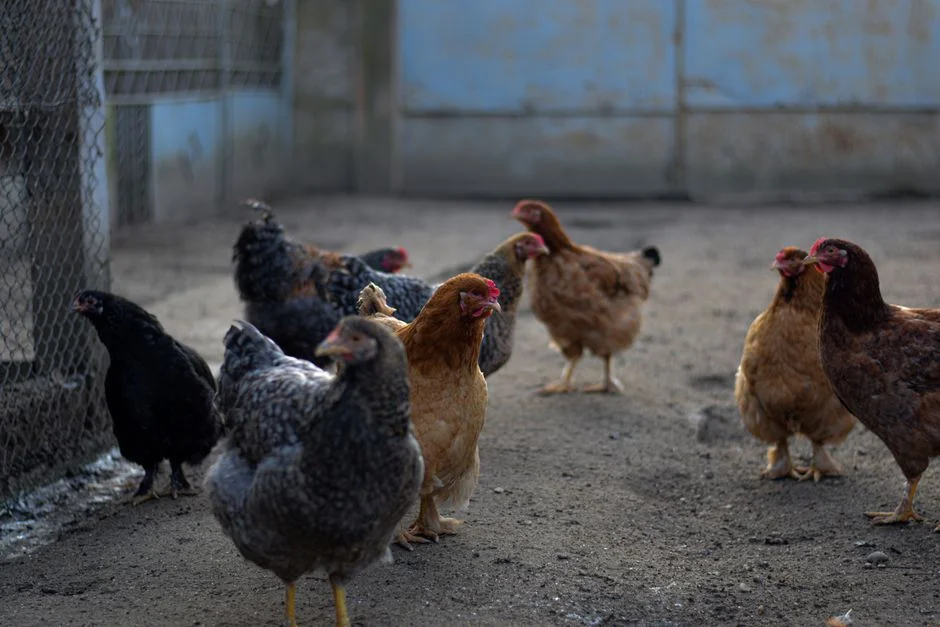
The four-square-feet-per-bird rule for enclosed coop space and ten-square-feet-per-bird for run space are minimums, not targets. Crowding produces stress behaviors — pecking, feather pulling, reduced laying — before it produces obvious physical symptoms. By the time the problem is visible, it’s already been affecting your flock for a while.
A more useful framing: size for the flock you expect to have in eighteen months. Backyard flocks grow. Hatch rates, replacements after losses, and gifts from neighbors add up faster than most new keepers anticipate. The cost difference between a structure that fits eight birds and one that fits twelve is smaller than the cost and effort of replacing or supplementing a structure that’s already installed.
Metal vs. Wood — A Practical Split
The material question is not primarily aesthetic. Metal frames — galvanized or powder-coated steel — resist moisture, pests, and temperature extremes better than wood over a multi-year outdoor lifespan. Wood requires seasonal sealing, is more susceptible to pest infiltration, and carries more maintenance commitment across wet climates.
Wood’s case is real but conditional: it looks better in a backyard setting, blends with garden structures, and some keepers find it easier to modify or extend. That case holds only if the maintenance commitment is genuine. The flat-pack wood coop I started with failed in its first Vermont winter — cheap construction and no real weatherproofing. The lesson wasn’t that wood is always wrong; it was that the maintenance gap between adequate and inadequate is large, and the difference shows up in year one.
Predator Protection as a Design Filter
Predator-proofing should function as a design filter, not an afterthought. Before evaluating any other feature of a walk-in coop, the questions to resolve are: Is the mesh welded or twisted? Are the latches predator-resistant? Is the top fully covered? A fox that got into a run because the top was open taught me that the gap I assumed was a non-issue was the gap that got exploited.
Raccoons operate latches. Foxes dig. Hawks take birds from open runs in daylight. A structure that checks the mesh and latching boxes but leaves the top open at night is still an incomplete solution. The chicken coop resource covers predator proofing in more depth, and it’s worth reviewing before finalizing a choice.
Fixed Footprint vs. Mobile Tractors
Walk-in coops are stationary. That’s a genuine trade-off with mobile chicken tractors, which can be moved across a yard to rotate grazing areas and distribute manure naturally. For a flock of four to six birds on a large property, a tractor is a viable alternative worth considering. For flocks over eight birds, or for keepers who want walk-in access without bending, the stationary walk-in format wins on practicality.
The footprint commitment is real. Identify the installation location before purchasing — ideally somewhere with good drainage, partial shade, and proximity to where you’ll be bringing feed and water. Bad placement discovered after assembly is a problem with no clean solution. A structure this size does not move easily, and moving it typically requires partial disassembly.
Assembly Expectations
Every coop in this roundup requires assembly. The complexity and time involved varies, but owner reports converge on a few consistent friction points: sorting hardware before starting, identifying which panels go where from instructions that may use ambiguous diagrams, and having at least two people present for any step involving the frame or cover installation.
Plan for a half-day minimum on any of these structures, more if you’re working alone or encounter unclear instructions. Set the hardware out sorted by type before starting. Have a rubber mallet available — forced connections that skip the mallet tend to strip threads. Post-assembly, check every connection point for tightness and correct any gaps in the cover before birds go in.
Frequently Asked Questions
How many chickens fit comfortably in a walk-in coop?
Standard guidance is four square feet of enclosed coop space and ten square feet of run space per bird. A 6.56x6.56-foot run covers roughly 43 square feet — adequate for four birds at the ten-square-feet-per-bird standard, or a modest stretch for six. Larger structures like the CAMMOO Walk in Chicken Coop at 13.1x9.8 feet handle twelve or more birds comfortably. Sizing to where your flock is heading, not where it is today, avoids the most common regret in this category.
Is metal or wood better for a walk-in chicken coop?
Metal — galvanized or powder-coated steel — outperforms wood on durability and weather resistance over a multi-year outdoor lifespan. Wood requires more consistent maintenance to avoid moisture absorption and rot, particularly in wet or cold climates. The advantage of wood is aesthetic: it integrates more naturally into a backyard setting. For buyers prepared to seal and inspect seasonally, a quality wood structure performs well.
Do walk-in chicken coops keep predators out effectively?
The design matters more than the category. Welded wire mesh, secure latching hardware, and a fully covered top are the factors that determine predator resistance. Chicken wire keeps birds in but does not reliably stop determined foxes or raccoons. Any walk-in coop left unsupervised overnight needs a fully enclosed top — open-top runs are reliably exploited by both aerial and ground predators.
What’s the difference between a walk-in coop and a chicken tractor?
A walk-in coop is a stationary structure large enough for a keeper to enter fully upright — designed for permanent or semi-permanent placement. A chicken tractor is a smaller, mobile enclosure moved across the yard to rotate grazing areas. Walk-in coops suit larger flocks and keepers who want daily access without crouching; tractors suit smaller flocks on properties where pasture rotation is a priority. For most backyard keepers with flocks over six birds, the walk-in format offers better practicality and more predictable predator protection.
How difficult is assembly for a walk-in metal chicken coop?
Assembly is generally manageable for two people working a half-day, but difficulty varies by structure. Owner reports consistently flag unclear instructions and small hardware sorting as the main friction points — not the physical assembly itself. Having a second person present for frame and cover installation is the most useful preparation. Sorting hardware by type before starting reduces interruptions significantly.
For smaller flocks or a broader comparison of formats, see the main chicken coop guide.
Where to Buy
VEVOR Metal Chicken Coop, 6.56x6.56x6.56ft Large Walk-in Chicken Run with Cover, Spire Roof Hen House Enclosure withSee VEVOR Metal Chicken Coop, 6.56x6.56x6… on Amazon